
Table of Contents
EV Charging for Malls: Commercial Setup, Models & ROI Guide
The commercial retail sector is undergoing a major structural shift. As electric vehicle (EV) adoption accelerates globally, shopping malls, lifestyle centers, and retail parks are redefining their parking spaces. Parking lots are no longer just passive vehicle storage—they are becoming high-value energy hubs that pull affluent customers directly to retail destinations.
For mall developers, asset managers, and commercial leasing directors, installing EV charging for malls addresses a key customer need while driving foot traffic, extending visitor dwell times, and generating new revenue streams.
Deploying commercial EV infrastructure, however, involves more than placing a few chargers in a parking garage. Success requires selecting the right charger mix, designing smart load management systems, choosing suitable revenue-sharing models, and creating seamless customer loyalty integrations.
This guide delivers a complete blueprint for planning, deploying, operating, and monetizing EV charging infrastructure across shopping centers and commercial retail assets.
1. The Commercial Business Case: How EV Charging Drives Retail ROI
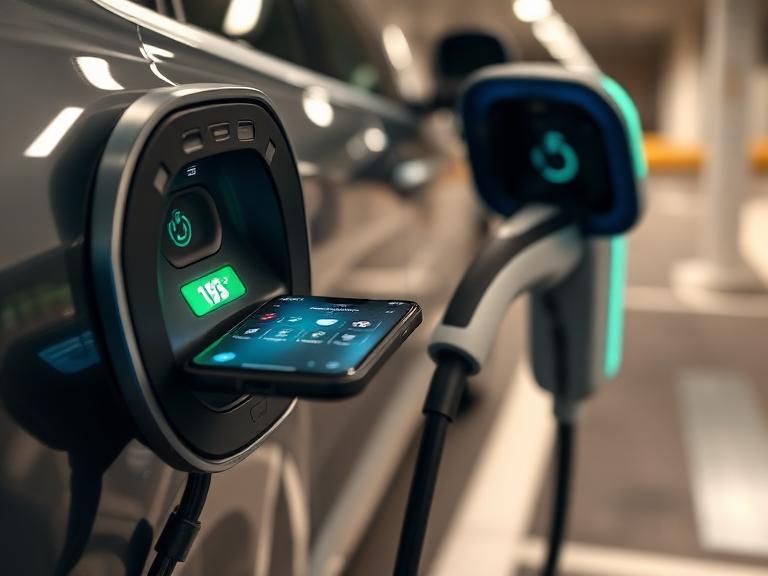
Installing charging infrastructure turns mall parking spaces into dynamic revenue drivers through both direct charging fees and indirect retail spending.
Extended Shopper Dwell Time and Higher Basket Sizes
Dwell time is a primary driver of retail sales. An EV owner who plugs in at a mall parking garage stays on-site while their car charges.
- 30 to 45 Minutes (Fast Charging): Encourages quick visits to coffee shops, food courts, or supermarkets.
- 60 to 120+ Minutes (Level 2 AC Charging): Encourages longer stays for fashion shopping, dining, or movie screenings.
Industry data shows that shoppers charging their vehicles spend 25% to 45% more per visit on retail, dining, and entertainment compared to non-charging visitors, making them a high-value customer demographic.
┌────────────────────────────────────────────────────────────────────────────────────────┐
│                        SHOPPER DWELL TIME & RETAIL SPEND IMPACT                        │
├───────────────────────────────┬───────────────────────────────┬────────────────────────┤
│ Charging Mode                 │ Average Dwell Duration        │ Primary Retail Activity│
├───────────────────────────────┼───────────────────────────────┼────────────────────────┤
│ DC Fast Charge (50kW - 150kW) │ 30 to 45 Minutes              │ Coffee, Grocery, Food  │
│ Level 2 AC (11kW - 22kW)      │ 90 to 180 Minutes             │ Apparel, Cinema, Dining│
└───────────────────────────────┴───────────────────────────────┴────────────────────────┘
Destination Preference and Navigation Map Visibility
EV drivers rely heavily on navigation apps like Google Maps, Apple Maps, PlugShare, and vehicle dashboards to plan their outings. Malls offering fast, reliable charging stations gain immediate visibility on these platforms. This pulls drivers away from competing centers that lack charging facilities.
ESG Compliance and Commercial Asset Value
Integrating clean energy infrastructure lowers Scope 3 transport emissions, supporting corporate ESG metrics. Commercial properties with modern EV charging infrastructure also earn credits toward LEED, BREEAM, and WELL green building certifications, helping landlords command higher lease rates from anchor retail tenants.
2. Hardware Strategy: Level 2 AC vs. DC Fast Chargers
A successful shopping center setup uses a balanced hybrid mix of Level 2 AC chargers and DC Fast Chargers tailored to visitor shopping patterns.
                     [Shopping Center Charger Selection]
                                     │
       ┌─────────────────────────────┴─────────────────────────────┐
       ▼                                                           ▼
[Level 2 AC Chargers (11kW - 22kW)]              [DC Fast Chargers (50kW - 150kW)]
 • Target Dwell: 1.5 to 4 Hours                   • Target Dwell: 30 to 60 Minutes
 • Ideal for: Fashion, Cinema, Dining             • Ideal for: Supermarkets, Express Visits
 • Low Infrastructure & Equipment Cost            • High Power Output & Quick Turnover
 • Broad Coverage across Parking Bays              • Premium Charging Tariff Capability
Level 2 AC Chargers (11 kW – 22 kW) — The Standard Retail Solution
Level 2 AC chargers match longer retail visits well. Delivering roughly 35 to 80 km (22 to 50 miles) of range per hour, Level 2 units allow shoppers to add meaningful range while enjoying a movie, meal, or extended shopping trip without worrying about rapid overstay penalties.
DC Fast Chargers / Level 3 (50 kW – 150+ kW) — For Rapid Turnover & High Volume
Direct Current (DC) Fast Chargers deliver high-voltage power straight to the vehicle battery, supplying an 80% charge in 30 to 45 minutes.
- Best Placed Near: Supermarket entrances, express pick-up zones, or quick-service restaurant areas.
- Commercial Role: DC Fast Chargers serve visitors looking for a quick charge, generating higher direct energy revenue per kilowatt-hour dispensed.
3. Commercial Models: How Malls Finance & Monetize EV Infrastructure
Mall owners can structure charging deployments across three main commercial models based on their capital availability and risk tolerance:
┌────────────────────────────────────────────────────────────────────────────────────────┐
│                        COMMERCIAL BUSINESS MODEL MATRIX                                │
├───────────────────────────────┬───────────────────────────────┬────────────────────────┤
│ Operational Model             │ Capital Investment (CapEx)    │ Revenue Share & Profit │
├───────────────────────────────┼───────────────────────────────┼────────────────────────┤
│ 1. Fully Owner-Operated       │ 100% Mall Owner Funded        │ Mall Retains 100% Net  │
│ 2. CPO Revenue-Share          │ Low / Zero Upfront CapEx      │ Shared Usage Margins   │
│ 3. Land Lease Model           │ $0 (Zero Cost to Mall)        │ Fixed Monthly Ground Rent
└───────────────────────────────┴───────────────────────────────┴────────────────────────┘
Model 1: Fully Owner-Operated (Maximum Profit Potential)
The mall owner purchases hardware, pays for electrical installation, and contracts a software vendor for cloud management.
- Pros: The mall sets its own charging tariffs, controls the visual branding, and retains 100% of charging margins and ad screen revenues.
- Cons: Requires higher upfront capital expenditure (CapEx) and ongoing maintenance oversight.
Model 2: Charge Point Operator (CPO) Revenue-Share (Balanced Approach)
A third-party Charge Point Operator (CPO) installs, operates, and maintains the charging hardware.
- Pros: Minimal or zero upfront capital outlay for the property owner.
- Cons: The CPO sets charging rates and retains the majority of direct energy revenues, paying the mall a percentage-based royalty or usage share.
Model 3: Land / Parking Bay Lease (Zero-Risk)
The mall leases dedicated parking bays to a CPO network under a long-term commercial lease agreement.
- Pros: Guarantees steady, predictable rental income without operational or maintenance responsibilities.
- Cons: Offers lower overall financial upside compared to owner-operated models.
4. Electrical Load Architecture: Dynamic Load Management (DLM)
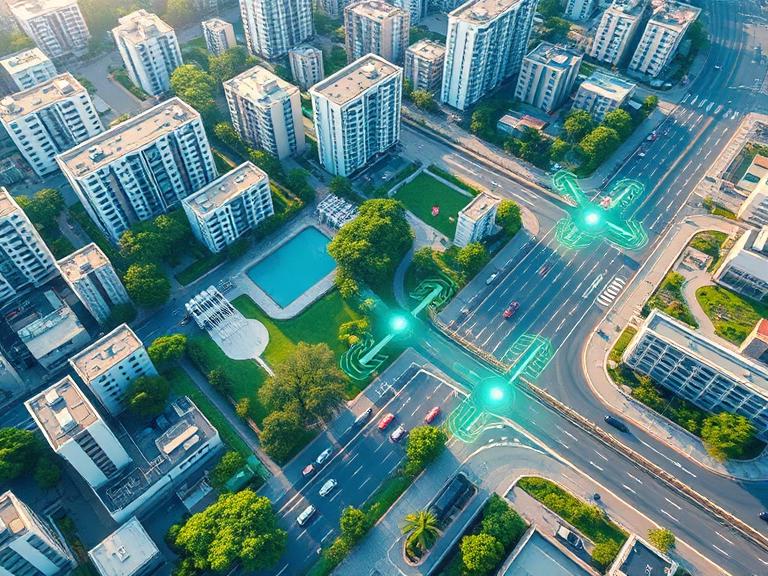
Shopping centers run dynamic electrical loads. Central air conditioning, escalators, architectural lighting, and commercial kitchens draw heavy power during peak retail hours. Adding several high-power EV chargers without proper load controls can risk exceeding electrical transformer capacity or triggering high utility demand surcharges.
                        [Dynamic Load Management Architecture]
                                          │
            ┌─────────────────────────────┴─────────────────────────────┐
            ▼                                                           ▼
 [Unmanaged Charging Configuration]                            [Managed DLM Configuration]
  • Peak Load = 250 kW Constant                                 • Peak Capped @ 80 kW Capped
  • Risk of Tripping Main Breakers                              • Automatically Throttles Power
  • Expensive Transformer Upgrade Required                      • Fits Within Existing Capacity
  • Triggers High Demand Penalties                              • Zero Infrastructure Overload Risk
The Role of Dynamic Load Management (DLM)
Dynamic Load Management (DLM) software continually monitors the shopping center’s total real-time electrical draw:
- Peak Retail Hours (1:00 PM – 6:00 PM): As air conditioning and mall lighting draw peak power, DLM automatically throttles charger output (e.g., from 22 kW down to 7.4 kW per socket) to protect building systems.
- Off-Peak Hours (7:00 PM – 11:00 PM): As overall building power draw decreases, DLM redirects available electrical capacity back to the chargers, ensuring fast charging speeds when drivers need them most.
DLM allows malls to install three to four times more charging ports on their existing electrical service, avoiding expensive utility transformer upgrades.
5. Integrating Charging with Tenant Loyalty Apps & Retail Promotions
Connecting EV charging infrastructure directly with mall marketing frameworks converts charging from a simple utility into an effective tool for customer engagement.
[Shopper Plugs In EV] ──► [Scans Mall Loyalty App] ──► [Spends $50 at Stores] ──► [Receives Free Charging Credit]
Cross-Promotional Loyalty Program Ideas:
- Spend-Threshold Free Charging: Validate two hours of complimentary Level 2 charging for shoppers who spend over a specific amount (e.g., $50 or ₹2,000) at tenant stores or supermarkets.
- In-App Retail Push Notifications: When a shopper initiates a charging session via the mall’s mobile app, send targeted digital coupons for nearby coffee shops, fashion boutiques, or cinemas.
- Anchor Tenant Sponsorships: Partner with major anchor tenants (like department stores or hypermarkets) to co-sponsor charging stations, placing their branding on charging hardware and app interfaces.
6. Step-by-Step Implementation Roadmap
Deploying EV charging across a shopping center or retail park requires a clear, step-by-step process:
1.Conduct Foot Traffic & Electrical Capacity Assessment:Phase 1: Traffic & Grid Audit.
Analyze parking lot traffic patterns, peak shopping hours, and average visitor dwell times. Audit the building’s sanctioned grid capacity, panel distribution, and transformer headroom with a certified electrical engineer.
2.Select Operating Model & Procure Hardware:Phase 2: Business Model Selection.
Choose between Owner-Operated, CPO Revenue-Share, or Land Lease models. Procure smart, OCPP-compliant Level 2 and DC Fast Chargers along with cloud management software.
3.Execute Trenching, Panel Setup & Charger Mounting:Phase 3: Civil Works & Engineering.
Complete trenching, conduit runs, sub-panel installations, and protective bollard setups. Paint dedicated green bay markings and install clear wayfinding signage throughout parking garages.
4.Configure Cloud Software & App Integrations:Phase 4: Software & Loyalty Sync.
Set energy tariffs, idle overstay fees, and payment gateway rules. Connect charging APIs with the mall’s mobile app or tenant reward programs.
5.Publish Locations & Launch Marketing Campaigns:Phase 5: Map Listing & Go-Live.
List charging stations across navigation networks (Google Maps, PlugShare, Apple Maps). Launch promotional campaigns announcing the new charging hub to local EV communities.
7. Incentives, Subsidies, and Tax Depreciations
Government policies globally offer financial support to accelerate commercial charging deployments:
- United States: The federal Section 30C Alternative Fuel Infrastructure Tax Credit covers up to 30% of commercial installation costs. Regional utility programs frequently provide additional grants covering panel upgrades and trenching expenses.
- India: Central frameworks (like PM E-DRIVE) alongside state EV policies offer capital subsidies and concessional EV power tariffs for public charging hubs.
- Europe & UK: Regulations (such as the EU AFIR directive) mandate charging points in commercial parking facilities, offering regional grants to offset installation costs.
8. Frequently Asked Questions (15 Detailed FAQs)
FAQ 1: Why is EV charging becoming an essential amenity for shopping malls?
EV charging transforms mall parking lots into destination magnets. EV drivers tend to have higher disposable income and actively seek out destinations offering charging facilities. Providing charging infrastructure extends shopper dwell times, increases average retail basket size, drives foot traffic to dining and entertainment zones, and earns green building points.
FAQ 2: What charger mix is best for a shopping mall or lifestyle center?
A balanced hybrid setup works best. For typical retail shoppers staying 1 to 3 hours, dual-port 11 kW to 22 kW Level 2 AC chargers are cost-effective. For quick-stop shoppers, cinema patrons, or food court diners staying 30 to 60 minutes, high-speed 50 kW to 150 kW DC Fast Chargers deliver quick battery top-ups.
FAQ 3: How many EV charging spaces should a shopping mall start with?
A standard recommendation is to electrify 5% to 10% of total parking capacity during initial rollout, while running extra conduit capacity to scale smoothly up to 20% or 30% as regional EV adoption grows.
FAQ 4: What business models are available for malls installing EV chargers?
Malls can choose from three main models: Owner-Operated (mall buys hardware, sets tariffs, and keeps 100% of profits), CPO Revenue-Share (Charge Point Operator installs hardware for free/low cost and shares net revenues), or Hybrid Lease (CPO pays fixed rent for parking bays plus usage royalties).
FAQ 5: How does Dynamic Load Management (DLM) prevent electrical grid overloads at malls?
Dynamic Load Management (DLM) monitors building electrical consumption in real time and automatically throttles charger output during peak HVAC, lighting, or escalator usage. This allows malls to deploy dozens of chargers without triggering expensive utility grid upgrade fees or demand penalties.
FAQ 6: Can mall EV charging systems integrate with tenant loyalty apps?
Yes. Modern OCPP-compliant software interfaces via APIs with retail reward systems. Malls can offer free or discounted charging credits to shoppers who reach specific spending thresholds at anchor stores, cinemas, or restaurants.
FAQ 7: How much does it cost to install EV chargers at a shopping mall?
A turnkey smart dual-port Level 2 AC charger installation typically ranges from $6,000 to $14,000 including civil works and electrical setups. High-power 60 kW to 150 kW DC Fast Chargers range from $40,000 to over $110,000 per unit depending on power output and panel upgrade requirements.
FAQ 8: Are government incentives or grants available for commercial mall EV chargers?
Yes. In the United States, federal Section 30C tax credits cover up to 30% of commercial installation costs. In Europe and the UK, municipal infrastructure funds subsidize hardware. In India, central policies (like PM E-DRIVE) and state regulations offer capital subsidies and concessional EV tariffs.
FAQ 9: How do malls prevent non-EVs or fully charged cars from hogging bays?
Malls deploy automated Charge Point Management Systems (CPMS) that send push notifications when charging completes. Following a 15-to-30-minute grace period, an automated idle or overstay fee per minute is charged to encourage vehicle turnover.
FAQ 10: What is OCPP and why is it mandatory for mall charging setups?
Open Charge Point Protocol (OCPP) is an open communication standard between charging hardware and central software. Choosing OCPP-compliant hardware prevents vendor lock-in, allowing mall operators to switch management software or payment processors without replacing physical chargers.
FAQ 11: Can non-shoppers or overnight drivers use mall EV chargers?
Yes. Mall operators can open charging hubs to nearby residents or fleet drivers during off-peak night hours when stores are closed, creating a secondary revenue stream from otherwise idle parking spaces.
FAQ 12: How long does a commercial mall EV charger installation take?
Physical mounting and civil trenching usually take 5 to 10 business days. However, the complete end-to-end process—including site audits, permitting, utility connection approvals, and software configuration—typically takes 6 to 10 weeks.
FAQ 13: How does EV charging support mall ESG goals and green building ratings?
Installing public charging infrastructure reduces Scope 3 indirect transport emissions, helps satisfy corporate sustainability targets, and earns points toward green building accreditations like LEED, BREEAM, and WELL.
FAQ 14: What maintenance is required for commercial shopping center EV chargers?
Commercial chargers require low ongoing maintenance: monthly physical inspections of cables and holsters, screen cleaning, annual electrical safety testing, and automatic over-the-air (OTA) software and firmware updates managed remotely by the network operator.
FAQ 15: What safety standards must mall EV charging installations comply with?
Mall installations must comply with national electrical guidelines (such as NEC Article 625 in the US, IEC 61851 globally, or BIS/CEA standards in India). Key requirements include built-in Ground Fault Circuit Interrupters (GFCI), emergency stop switches, protective physical bollards, and weatherproof IP65/NEMA 3R enclosures.
9. Key Technical & Operational Launch Checklist
Review this checklist before launching your mall’s EV charging hub:
- [ ] Physical Safety & Access: Ensure dedicated green bay markings, physical bollards, wheel stops, and clear lighting are installed.
- [ ] Wayfinding Signage: Install entrance wayfinding signs to guide drivers to charging bays easily.
- [ ] Emergency Shut-Off Switches: Confirm accessible emergency power cut-off controls are installed near charging clusters.
- [ ] Loyalty API Sync Check: Verify test spending vouchers generate functional charging credit codes in the app.
- [ ] Navigation Map Listings: Publish charger locations across Google Maps, Apple Maps, and PlugShare.
- [ ] Security & Maintenance Protocol: Assign security staff to check charging bays during routine patrols to keep spaces clear of non-EV vehicles.
Conclusion
Installing EV charging for malls is a high-value investment that transforms commercial real estate assets. By offering reliable charging options, shopping centers attract high-spending EV drivers, extend retail dwell times, unlock new revenue streams, and future-proof their properties in an evolving retail landscape.
