
Table of Contents
Child Refuse to Sleep? 10 Science-Backed Ways to Stop Bedtime Battles
Few parenting challenges are as draining as when a child refuses to sleep. What begins as a peaceful evening plan frequently escalates into screaming meltdowns, endless negotiations for “one more drink of water,” crying spells, and repeated bedroom escapes that stretch well past 10:00 PM.
When bedtime becomes a daily battleground, household stress rises and parental exhaustion sets in. More importantly, chronic sleep restriction negatively impacts a child’s emotional regulation, immune function, cognitive development, and growth hormone secretion.
Bedtime refusal is rarely simple stubbornness. It is usually a behavioral symptom driven by biological overstimulation, incorrect wake windows, boundary testing, or underlying separation anxiety.
This comprehensive guide breaks down the clinical physiology of bedtime resistance, uncovers the underlying triggers, provides age-specific intervention protocols, and outlines step-by-step strategies to restore calm to your family’s nights.
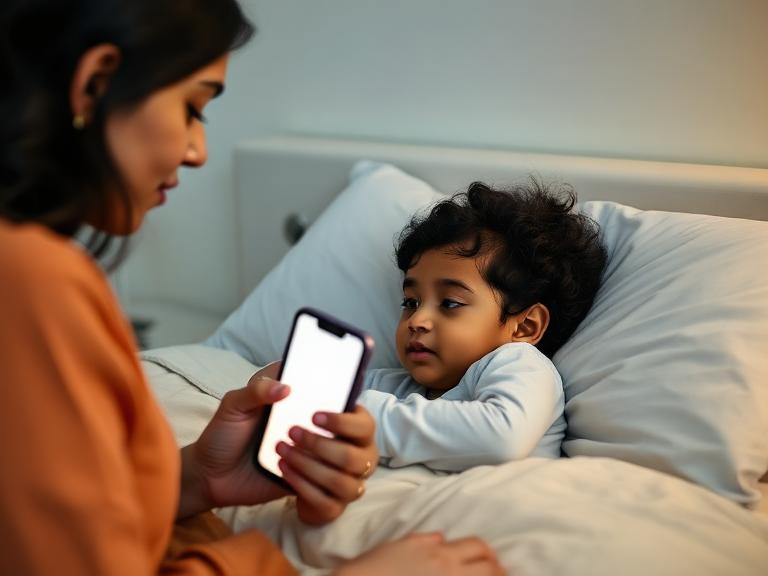
1. The Anatomy of Bedtime Refusal: Root Causes
To resolve bedtime resistance, we must first understand why the refusal occurs. Pediatric sleep specialists divide bedtime resistance into four primary root categories:
                          ┌────────────────────────────────────────┐
                          │   4 ROOT CAUSES OF BEDTIME REFUSAL     │
                          └───────────────────┬────────────────────┘
                                              │
         ┌───────────────────┬────────────────┴───────────────────┬───────────────────┐
         ▼                   ▼                                    ▼                   ▼
┌─────────────────┐ ┌─────────────────┐                  ┌─────────────────┐ ┌─────────────────┐
│ 1. Biological   │ │ 2. Behavioral   │                  │ 3. Emotional    │ │ 4. Environmental│
│ Overarousal     │ │ Boundary-Testing│                  │ Separation      │ │ Overstimulation │
│ Overtiredness & │ │ Inconsistent    │                  │ Anxiety & Night │ Bright lights &  │
│ Cortisol Spikes │ │ Parental Limits │                  │ Fears           │ Active Screens  │
└─────────────────┘ └─────────────────┘                  └─────────────────┘ └─────────────────┘
Cause 1: Biological Overarousal & Overtiredness
The most common counterintuitive cause of sleep refusal is overtiredness. When a child stays awake past their natural circadian window, their adrenal system compensates by secreting cortisol and adrenaline.
Instead of becoming sleepy, the child receives a biological “second wind.” Their heart rate rises, sensory sensitivity increases, and emotional control deteriorates, causing intense meltdowns when asked to lie down.
Cause 2: Behavioral Boundary Testing & Limit-Setting Sleep Disorder
Between ages 2 and 6, children naturally test autonomy boundaries. If parental responses to bedtime refusal are inconsistent—sometimes giving in to extra stories, allowing visits to the living room, or letting the child sleep in the parents’ bed—the child learns that persistent refusal yields high-value attention or flexible rules.
Cause 3: Separation Anxiety & Night Fears
Bedtime requires a child to separate from their parents for 10 to 12 hours in the dark. For young children with developing imaginations or attachment concerns, this separation can trigger genuine panic. The refusal to lie down is often an attempt to preserve physical proximity to safety.
Cause 4: Circadian Mismatch & Sleep Pressure Deficiency
If a child’s afternoon nap is too long, finishes too late, or if their evening schedule is misaligned with their biological rhythm, their brain lacks sufficient homeostatic sleep pressure (adenosine accumulation). Lying in a dark room while fully awake causes frustration, leading to active bedtime resistance.
2. Biological vs. Behavioral Refusal: Diagnostic Checklist
Understanding whether your child is struggling with emotional distress or testing behavioral boundaries is crucial for selecting the right response strategy.
| Diagnostic Factor | Behavioral Boundary Testing | Emotional or Anxiety-Based Refusal |
| Primary Emotion | Frustration, defiance, negotiation, bargaining | Fear, distress, panic, tearful pleading |
| Physical Symptoms | Calm bodily posture, active eye contact, calculated tactics | Rapid breathing, sweating, trembling, clinging physically |
| Reaction to Attention | Calms immediately when given toys, food, or screens | Remains anxious even when offered high-value distractions |
| Parent Proximity Impact | Continues testing limits even with parent in room | Calms significantly when parent offers physical touch/reassurance |
| Primary Goal | Delaying lights-out to continue play or activity | Seeking safety, comfort, and emotional co-regulation |
3. The Bedtime Reset Protocol: Step-by-Step
When bedtime resistance becomes a entrenched pattern, an immediate behavioral reset is needed. The following 4-step framework helps eliminate stalling tactics while preserving emotional connection.
                         ┌────────────────────────────────────────┐
                         │      THE BEDTIME RESET PROTOCOL       │
                         └───────────────────┬────────────────────┘
                                             │
         ┌───────────────────┬──────────────┴──────────────┬───────────────────┐
         ▼                   ▼                             ▼                   ▼
┌─────────────────┐ ┌─────────────────┐           ┌─────────────────┐ ┌─────────────────┐
│ Step 1: Pre-bed │ │ Step 2: The     │           │ Step 3: Firm    │ │ Step 4: The     │
│ Connection Tank │ │ Bedtime Pass    │           │ Silent Return   │ │ Morning Reset   │
│ 20 min dedicated│ │ Single token for│           │ Neutral return  │ │ Positive early  │
│ undivided focus │ │ final request   │           │ without debate  │ │ reinforcement   │
└─────────────────┘ └─────────────────┘           └─────────────────┘ └─────────────────┘
1.Fill the Emotional ‘Connection Tank’:20 Minutes Before Routine Begins.
Spend 15 to 20 minutes of uninterrupted, screen-free, one-on-one time with your child. Let them choose the activity. High-quality parental presence satisfies their attachment needs before separation occurs.
2.Issue the Physical Bedtime Pass:At Lights-Out.
Hand your child one physical, laminated “Bedtime Pass.” Explain clearly: “This pass allows one quick trip out of bed for a glass of water, an extra hug, or a bathroom visit. Once used, it is gone for the night.”
3.Execute the Silent Return Technique:During Subsequent Bedroom Exits.
When your child gets out of bed after using their pass, guide them back immediately. Maintain complete emotional neutrality: no eye contact, no lectures, no scolding, and no negotiating. Calmly place them in bed, tuck them in, and leave.
4.Reinforce Successful Behavior Immediately:The Following Morning.
When your child stays in bed or uses their pass correctly, celebrate their success the next morning. Use specific positive reinforcement: “I noticed how bravely you stayed in your cozy bed last night!”
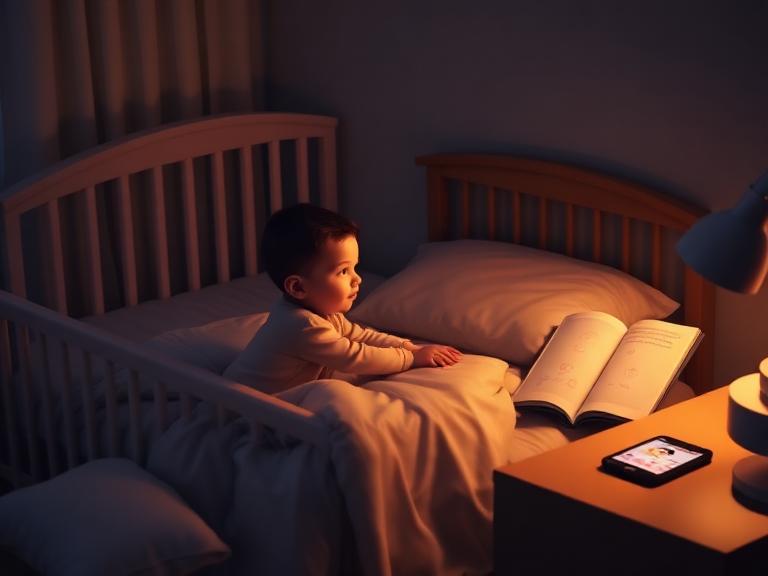
4. Graduated De-escalation: The Chair Method Framework
For children whose bedtime refusal is driven by intense separation anxiety or a fear of being left alone, sudden departure strategies like the Silent Return can escalate distress. In these cases, the Chair Method (Graduated Extinction) provides a gentle bridge to independent sleep.
[ Night 1-3: Chair Next to Bed ] ──► [ Night 4-6: Chair Middle of Room ] ──► [ Night 7-9: Chair At Doorway ] ──► [ Night 10+: Outside Room ]
Execution Rules for the Chair Method:
- Positioning: Place a chair right next to your child’s bed after the wind-down routine ends.
- Interaction Boundary: Sit quietly in the chair. You may offer brief, repetitive verbal reassurance (“You are safe, it’s time to sleep”), but avoid conversation, eye contact, or picking the child up.
- Gradual Distance: Every 2 to 3 nights, move the chair 2 to 3 feet closer to the bedroom door until you sit just outside the open door.
- Consistency: If your child gets out of bed, calmly return them to bed and sit back down in the chair. This gradual transition builds confidence while eliminating nighttime panic.
5. Age-Specific Solutions for Sleep Refusal
Bedtime resistance presents differently across child development stages. Tailoring your strategy to your child’s age ensures interventions match their cognitive capacity.
| Age Group | Common Refusal Behavior | Primary Driver | Recommended Behavioral Solution |
| Toddlers (18m – 3y) | Screaming, climbing out of crib/bed, throwing items | Testing autonomy, overtiredness, developmental leaps | Visual Schedule Cards + Crib-to-Bed Transition Management |
| Preschoolers (3y – 5y) | Stalling (water, bathroom, extra stories), monster fears | Imaginative fears, testing limits, separation anxiety | The Physical Bedtime Pass + Warm Amber Nightlight + Chair Method |
| School-Age (6y – 10y) | Bargaining, checking devices, complaining of non-sleepiness | Screen stimulation, delayed circadian phase, academic stress | Fixed Screen Shutdown (60m prior) + Bedside Journaling & Self-Reading |
6. Environmental & Dietary Interventions
Resolving bedtime refusal also requires optimizing environmental triggers and nutritional timing to support natural sleepiness.
                          ┌────────────────────────────────────────┐
                          │   EVENING SLEEP-SUPPORTIVE SYSTEM     │
                          └───────────────────┬────────────────────┘
                                              │
         ┌───────────────────┬────────────────┴───────────────────┬───────────────────┐
         ▼                   ▼                                    ▼                   ▼
┌─────────────────┐ ┌─────────────────┐                  ┌─────────────────┐ ┌─────────────────┐
│ Lighting        │ │ Temperature     │                  │ Tryptophan Snack│ │ Acoustic Shield │
│ 2700K warm bulbs│ │ 18°C - 20°C     │                  │ Oat porridge or │ │ White/Pink noise│
│ Zero blue light │ │ Promotes core   │                  │ banana with nut │ │ masks house     │
│ 60 mins pre-bed │ │ body thermal drop│                 │ butter at T-45m │ │ activity noise  │
└─────────────────┘ └─────────────────┘                  └─────────────────┘ └─────────────────┘
Nutritional Timing Rules:
- The Tryptophan Bridge: If your child eats dinner early (e.g., 5:00 PM) and sleeps at 7:30 PM, blood sugar drops can trigger cortisol spikes. Offer a light, protein-complex carbohydrate snack 45 minutes before bed (e.g., warm oat porridge, half a banana with almond butter, or whole-grain toast).
- Eliminate Hidden Stimulants: Ensure no hidden caffeine (chocolate milk, cola, flavored iced teas) or high-sugar foods are consumed within 4 hours of bedtime.
7. Troubleshooting Common Setbacks
Even well-designed sleep plans experience temporary setbacks. Here is how to navigate common obstacles without losing momentum:
Obstacle 1: The “Extinction Burst”
When you introduce firm boundaries (like the Bedtime Pass or Silent Return), your child’s refusal behavior may temporarily worsen on Night 2 or Night 3. This spike in behavior is known psychologically as an extinction burst. The child is testing whether the new boundary is firm.
- Solution: Hold the line. Yielding during an extinction burst reinforces extreme resistance. Most extinction bursts resolve within 48 hours of strict consistency.
Obstacle 2: Nighttime Illness or Teething
When a child is sick or experiencing physical pain, strict behavioral training should be paused.
- Solution: Provide necessary comfort, medication, and presence. Once symptoms resolve, immediately return to your standard bedtime routine to prevent long-term regression.

8. Frequently Asked Questions (FAQs)
Q1: Why does my child refuse to sleep even when visibly exhausted?
When a child stays awake past their natural biological sleep window, their endocrine system secretes cortisol and adrenaline. This triggers a “second wind,” hyperarousal, and heightened emotional meltdowns, making falling asleep biologically difficult.
Q2: How do I handle a toddler who throws a tantrum whenever bedtime is announced?
Avoid sudden transitions. Give clear visual and auditory warnings (e.g., a 10-minute and 5-minute timer), use a visual routine chart to externalize commands, offer structured choices (e.g., “Red or blue pyjamas?”), and maintain an empathetic yet firm tone.
Q3: What is bedtime stalling, and how can parents eliminate it?
Bedtime stalling occurs when a child repeatedly asks for water, extra hugs, bathroom trips, or stories to delay lights-out. Eliminate stalling by using a physical Bedtime Pass that limits extra requests to one per night.
Q4: Is bedtime refusal caused by separation anxiety?
Often, yes. Bedtime requires a child to separate from their primary caregivers for 10-12 hours. Separation anxiety can make this transition feel unsafe. Dedicate 15-20 minutes of uninterrupted, screen-free emotional connection during the wind-down routine to fill their “connection tank.”
Q5: How long does it take to fix chronic bedtime resistance?
With 100% parental consistency, noticeable improvements usually occur within 3 to 7 nights. Full behavioral extinction of bedtime refusal typically takes 2 to 3 weeks.
Q6: What should I do if my child keeps getting out of bed after lights-out?
Use the Silent Return technique: calmly, quietly, and without eye contact or emotional engagement, guide your child back to bed. Repeat this process every time they exit without giving extra attention.
Q7: Could an incorrect nap schedule cause my child to refuse sleep at night?
Yes. If a daytime nap is too late, too long, or no longer age-appropriate, homeostatic sleep pressure will be insufficient at bedtime, causing the child to lie awake for hours.
Q8: Should I lock my child’s bedroom door if they refuse to stay in bed?
Locking a child’s door can cause intense panic, elevate cortisol levels, and create safety risks in emergencies. Instead, use physical boundaries like safety gates across the doorway or consistent behavioral return methods.
Q9: How does screen time contribute to bedtime refusal?
Blue light emitted from screens suppresses melatonin production for up to two hours, while interactive media increases dopaminergic and cognitive stimulation, making quiet rest feel unappealing and difficult.
Q10: What is the “Chair Method” for sleep training a child who refuses to sleep alone?
The Chair Method (or Graduated Extinction) involves sitting in a chair next to your child’s bed until they fall asleep, then gradually moving the chair closer to the bedroom door every 2-3 nights over two weeks until you are outside the room.
Q11: How can I tell if my child is refusing sleep due to fears or manipulation?
Fear-based resistance involves physical signs of panic (sweating, trembling, wide eyes) and genuine distress. Behavioral testing involves calm negotiation, testing limits, or mood changes that drop when given entertainment.
Q12: Can dietary choices cause bedtime resistance?
Yes. High-sugar dinners, hidden caffeine (chocolate, sodas), or large meals consumed within 90 minutes of sleep cause digestive discomfort and blood sugar spikes that interfere with natural sleep onset.
Q13: How do developmental leaps impact bedtime refusal?
During major cognitive or motor growth spurts (e.g., walking, talking, imaginative development), a child’s brain practices new skills constantly, making it harder for them to power down at night.
Q14: Should I let my child fall asleep in my bed if they refuse their own?
Consistently allowing a child to fall asleep in your bed when they refuse their own creates a sleep association that reinforces bedtime resistance in their own room. Establish sleep location consistency early.
Q15: When does bedtime refusal require professional medical intervention?
Seek medical evaluation if sleep refusal is accompanied by loud snoring, pauses in breathing, severe restless legs, daytime cognitive delays, panic attacks, or if behavior persists despite strict behavioral interventions.
9. Conclusion: Restoring Peace to Bedtime
When a child refuses to sleep, it is a signal that their biological, behavioral, or emotional needs require realignment. By understanding the root cause—whether it is cortisol-driven overtiredness, boundary testing, or separation anxiety—you can respond with structured clarity and calm consistency.
Implementing clear boundaries like the Bedtime Pass, maintaining predictable routines, and offering steady emotional presence transforms chaotic bedtimes into restorative, peaceful nights for your entire household.
