
Table of Contents
Lift Machine Repair in Hyderabad | Expert Elevator Machine Repair Services
When an elevator stops working efficiently, most people notice the symptoms—a noisy ride, jerky movement, delayed door opening, or frequent breakdowns. However, the real problem often lies deeper within the elevator system. In many cases, the lift machine is the component responsible for these issues. As the driving force behind vertical movement, the machine plays a critical role in ensuring safe, smooth, and reliable elevator operation. This is why professional Lift Machine Repair in Hyderabad is essential for maintaining elevator performance and preventing unexpected failures.
Every elevator depends on its machine to generate the power needed to move the cabin safely between floors. Whether installed in a residential apartment, commercial office, hospital, shopping mall, or industrial building, the lift machine operates under continuous mechanical and electrical stress. Over time, normal wear, environmental conditions, inadequate maintenance, and heavy usage can reduce its efficiency, leading to operational problems.
Ignoring early warning signs can result in expensive repairs, extended downtime, and inconvenience for building occupants. A proactive approach to lift machine repair not only restores performance but also extends the lifespan of the entire elevator system.
This guide explores how lift machines work, common causes of machine failure, warning signs that indicate repairs are needed, and the importance of professional maintenance in keeping elevators operating safely across Hyderabad.
Understanding the Role of a Lift Machine
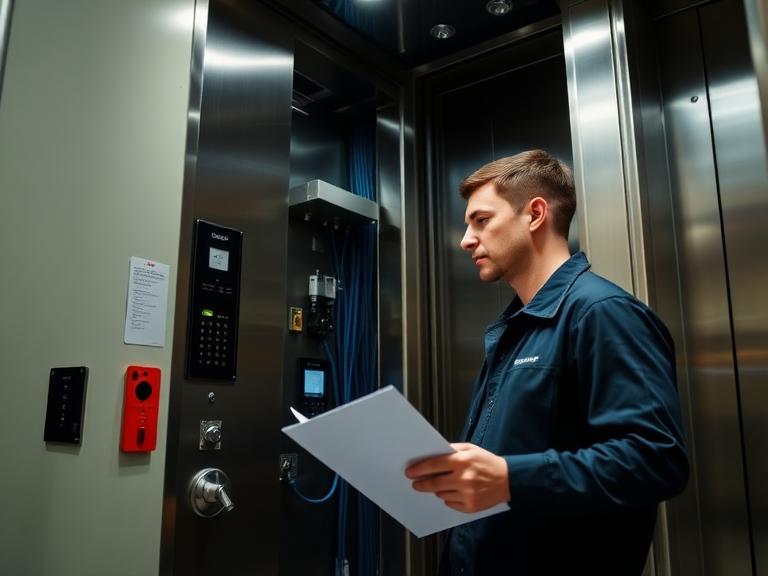
Think of the lift machine as the engine of an elevator. While passengers see only the cabin and doors, the machine is responsible for producing the mechanical force required to move the elevator between floors.
Depending on the type of elevator, the machine works alongside components such as:
- Electric motor
- Brake assembly
- Gearbox (for geared systems)
- Drive sheave
- Wire ropes or belts
- Variable Frequency Drive (VFD)
- Controller
- Encoder
- Safety brake mechanisms
All these components must work together with precision. Even a minor issue in one part of the machine can affect the elevator’s overall performance.
Types of Lift Machines Used in Modern Buildings
Different buildings require different elevator technologies. Understanding the machine type helps determine the most suitable repair approach.
Geared Lift Machines
Geared machines use a gearbox to reduce motor speed while increasing torque.
These machines are commonly found in:
- Residential apartments
- Mid-rise office buildings
- Educational institutions
- Hotels
Advantages include:
- Proven reliability
- Cost-effective operation
- Easy maintenance
- Suitable for moderate travel heights
Regular lubrication and gearbox inspections are essential for maintaining performance.
Gearless Lift Machines
Gearless technology eliminates the gearbox, allowing the motor to drive the sheave directly.
These machines are widely used in:
- High-rise buildings
- Premium residential towers
- IT parks
- Commercial complexes
Benefits include:
- Higher energy efficiency
- Faster travel speeds
- Quieter operation
- Reduced mechanical wear
- Lower maintenance requirements
Although highly efficient, gearless machines require specialized diagnostic tools and trained technicians for repairs.
Hydraulic Lift Power Units
Hydraulic elevators use pumps and hydraulic cylinders instead of traction systems.
They are ideal for:
- Villas
- Small commercial buildings
- Low-rise hospitals
- Industrial applications
Maintenance typically focuses on:
- Hydraulic pumps
- Oil quality
- Valve systems
- Cylinders
- Pressure regulation
Timely repairs help prevent leaks and maintain smooth operation.
Machine Room Less (MRL) Lift Machines
MRL elevators integrate the machine within the elevator shaft, eliminating the need for a separate machine room.
They are increasingly popular because they:
- Save building space
- Reduce construction costs
- Improve energy efficiency
- Offer compact installation
Due to their compact design, MRL systems require experienced technicians familiar with specialized repair procedures.
Common Reasons Lift Machines Develop Problems
Even the highest-quality elevator machines experience wear over time. Several factors contribute to declining performance.
Continuous Daily Operation
Elevators in busy buildings may complete hundreds of trips every day.
Constant operation increases wear on:
- Bearings
- Brakes
- Motors
- Gearboxes
- Drive components
Lack of Preventive Maintenance
Skipping routine maintenance allows small issues to develop into expensive mechanical failures.
Simple tasks such as lubrication, alignment checks, and electrical inspections significantly reduce long-term repair costs.
Electrical Fluctuations
Voltage instability can damage sensitive components, including:
- Motors
- Variable Frequency Drives
- Controllers
- Electronic sensors
Installing proper electrical protection helps reduce these risks.
Overloading
Repeated operation beyond the elevator’s rated capacity places excessive stress on the machine.
This accelerates wear and increases the likelihood of mechanical failure.
Poor Environmental Conditions
Dust, moisture, excessive heat, and inadequate ventilation can affect both electrical and mechanical components.
Proper housekeeping within the machine room helps maintain reliable performance.
Warning Signs That Your Lift Machine Requires Immediate Attention
Elevators often provide early warning signs before a major breakdown occurs.
Recognizing these symptoms allows repairs to be completed before more serious damage develops.
Unusual Noise
Grinding, knocking, humming, or squealing sounds often indicate:
- Bearing wear
- Gear damage
- Loose components
- Brake issues
New or increasing noise should never be ignored.
Excessive Vibration
A properly functioning lift machine operates with minimal vibration.
Noticeable shaking may result from:
- Shaft misalignment
- Worn bearings
- Motor imbalance
- Loose mounting bolts
Professional inspection helps identify the exact cause.
Jerky Elevator Movement
Passengers expect a smooth ride.
If the elevator starts or stops abruptly, the machine may have issues involving:
- Drive calibration
- Brake adjustment
- Motor performance
- Controller synchronization
Slower Travel Speed
When elevators begin travelling more slowly than normal, the machine may be experiencing:
- Reduced motor efficiency
- Gearbox wear
- Electrical supply problems
- Drive system faults
Timely diagnosis prevents additional strain on the system.
Frequent Breakdowns
Repeated shutdowns often indicate deeper machine-related issues.
Common causes include:
- Overheating
- Controller faults
- Brake malfunction
- Motor winding damage
- Encoder problems
Ignoring recurring failures usually increases repair costs.
Overheating
Elevator machines generate heat during normal operation.
However, excessive temperatures may indicate:
- Poor ventilation
- Overloading
- Electrical faults
- Bearing friction
- Lubrication failure
Overheating shortens equipment lifespan and should be addressed immediately.
Oil Leakage
Hydraulic elevators and geared machines require proper lubrication.
Visible oil leaks may indicate:
- Damaged seals
- Worn gaskets
- Loose fittings
- Hydraulic system issues
Leaks reduce efficiency and may create safety hazards.
Burning Smell
A burning odor is often associated with electrical or motor-related problems.
Possible causes include:
- Overheated windings
- Short circuits
- Brake friction
- Electrical insulation failure
Immediate shutdown and inspection are recommended.
Common Lift Machine Repairs Performed by Professionals
Every repair begins with accurate fault diagnosis. Depending on the condition of the equipment, technicians may perform one or more of the following repairs.
Bearing Replacement
Bearings support rotating components and reduce friction.
Replacing worn bearings helps restore:
- Smooth operation
- Reduced noise
- Proper alignment
- Longer machine life
Brake System Repair
The brake system controls elevator stopping accuracy and passenger safety.
Repairs may include:
- Brake adjustment
- Spring replacement
- Lining replacement
- Electromagnet servicing
Gearbox Repairs
Geared machines may require:
- Gear replacement
- Oil changes
- Seal replacement
- Alignment correction
- Housing inspection
Proper gearbox maintenance significantly improves machine longevity.
Motor Repairs
Lift motors may require:
- Winding repair
- Rotor balancing
- Bearing replacement
- Insulation testing
- Cooling system maintenance
Professional motor servicing restores efficiency while preventing unexpected failures.
Drive System Calibration
Variable Frequency Drives (VFDs) control acceleration and deceleration.
Calibration improves:
- Ride comfort
- Energy efficiency
- Floor leveling accuracy
- Reduced mechanical stress
Our Professional Lift Machine Repair Process
Repairing a lift machine involves much more than replacing damaged parts. A systematic repair process ensures that the root cause of the problem is identified and corrected, reducing the chances of recurring faults.
Comprehensive Machine Inspection
Every repair project begins with a detailed inspection of the lift machine and its connected systems. Engineers examine the machine’s mechanical and electrical condition to identify visible wear and hidden defects.
The inspection covers:
- Machine frame
- Drive motor
- Gearbox
- Bearings
- Brake assembly
- Drive sheave
- Wire ropes or belts
- Couplings
- Lubrication system
- Electrical connections
A detailed assessment helps determine whether the issue requires repair, adjustment, or component replacement.
Advanced Fault Diagnosis
Modern elevators are equipped with intelligent control systems that store fault information. Our technicians use specialized diagnostic equipment to retrieve error codes and evaluate machine performance.
Diagnostic checks include:
- Motor current analysis
- Drive performance
- Brake response
- Encoder signals
- Temperature readings
- Vibration analysis
- Gearbox performance
- Controller communication
Accurate diagnostics reduce repair time and improve long-term reliability.
Component Repair and Replacement
Once the fault has been identified, damaged components are repaired or replaced using suitable replacement parts.
Common repairs include:
- Motor bearing replacement
- Brake adjustment
- Gearbox servicing
- Coupling replacement
- Encoder replacement
- Lubrication system repairs
- Shaft alignment
- Electrical terminal replacement
Every replacement component is carefully installed and tested to ensure compatibility with the existing elevator system.
Performance Calibration
After repairs, the lift machine is recalibrated to restore smooth operation.
Calibration includes:
- Brake setting adjustment
- Motor tuning
- Drive parameter optimization
- Speed synchronization
- Floor leveling correction
- Acceleration and deceleration settings
Proper calibration enhances passenger comfort while reducing stress on mechanical components.
Final Safety Testing
Before returning the elevator to normal operation, technicians perform comprehensive testing to verify system performance.
Testing includes:
- No-load operation
- Full-load operation
- Brake performance
- Emergency stop verification
- Door synchronization
- Ride quality assessment
- Noise level evaluation
- Safety circuit inspection
Only after all tests are successfully completed is the elevator placed back into service.
Lift Machine Repair or Complete Replacement?
One of the most common questions building owners ask is whether they should repair the existing lift machine or replace it entirely.
When Repair Is the Better Option
Repair is often the most practical solution when:
- The damage is limited to specific components.
- The motor and drive system remain in good condition.
- Spare parts are readily available.
- The elevator has been maintained regularly.
- The overall machine is structurally sound.
Professional repairs can restore performance while significantly reducing costs compared to full replacement.
When Replacement May Be Necessary
Replacement may be recommended if:
- The machine has reached the end of its service life.
- Major structural damage is present.
- Spare parts are no longer available.
- Repeated breakdowns continue despite repairs.
- Modernization is planned for the entire elevator system.
An experienced technician can evaluate the condition of the equipment and recommend the most cost-effective solution.
How Preventive Maintenance Reduces Lift Machine Failures
Many machine failures develop gradually over time. Preventive maintenance identifies early signs of wear before they become major problems.
Routine maintenance typically includes:
- Lubricating moving components
- Checking bearing condition
- Inspecting brake assemblies
- Monitoring motor temperature
- Tightening electrical connections
- Evaluating gearbox oil
- Cleaning machine components
- Testing safety devices
Scheduled maintenance reduces unexpected downtime, improves reliability, and extends the lifespan of the lift machine.
Buildings We Support with Lift Machine Repair
Our repair services are suitable for a wide variety of properties across Hyderabad.
Residential Apartments
Apartment elevators operate continuously throughout the day. Timely machine repairs help ensure uninterrupted service for residents.
Independent Houses and Villas
Home elevators require precise and quiet operation. Professional machine repairs help maintain comfort and reliability.
Commercial Office Buildings
Business environments depend on elevators to move employees and visitors efficiently. Fast machine repairs help minimize operational disruptions.
Hospitals
Hospital elevators play a critical role in patient transportation. Reliable machine performance is essential to support emergency services and daily healthcare operations.
Hotels
Guest satisfaction depends on smooth, dependable elevator service. Regular machine inspections and repairs help hotels maintain high service standards.
Shopping Malls
Retail centers experience heavy passenger traffic every day. Prompt repairs help prevent service interruptions and improve visitor experience.
Industrial Facilities
Goods lifts and freight elevators operate under demanding conditions. Our repair solutions are designed to restore performance while supporting continuous industrial operations.
Why Choose Professional Lift Machine Repair in Hyderabad?
Choosing experienced professionals for lift machine repair provides several long-term advantages.
Experienced Technical Team
Our engineers are trained to work on various elevator systems, including geared, gearless, hydraulic, and Machine Room Less (MRL) lift machines.
Modern Diagnostic Equipment
Advanced diagnostic tools allow us to identify faults accurately, reducing unnecessary repairs and minimizing downtime.
Focus on Safety
Every repair is completed according to established safety practices, with comprehensive testing performed before the elevator is returned to service.
Preventive Maintenance Expertise
In addition to repairs, we help building owners implement preventive maintenance strategies that reduce future breakdowns and improve equipment lifespan.
Long-Term Reliability
Our goal is not simply to fix the immediate problem but to improve the overall performance and reliability of the lift machine through high-quality workmanship and systematic maintenance.
Frequently Asked Questions
1. What are the common signs that a lift machine needs repair?
Common signs include unusual noises, excessive vibration, jerky movement, overheating, oil leakage, slow operation, frequent breakdowns, and abnormal motor performance.
2. Can a damaged lift machine always be repaired?
Not always. Minor and moderate faults can often be repaired, but machines with severe structural damage or those that have reached the end of their service life may require replacement.
3. How long does a lift machine repair usually take?
Repair duration depends on the complexity of the fault, availability of replacement parts, and the condition of the machine. Minor repairs may be completed quickly, while major repairs may require additional time.
4. Is preventive maintenance necessary after repairs?
Yes. Regular preventive maintenance helps identify developing issues early, reduces unexpected breakdowns, and extends the operational life of the lift machine.
5. Which types of lift machines do you repair?
We repair geared lift machines, gearless machines, hydraulic power units, Machine Room Less (MRL) lift machines, and other residential, commercial, and industrial elevator systems.
6. Why should I choose professional lift machine repair services?
Professional repair ensures accurate diagnosis, proper component replacement, improved safety, reliable performance, and compliance with recommended engineering practices.
Conclusion
The lift machine is the driving force behind every elevator, making its performance essential to safe and reliable vertical transportation. Ignoring early warning signs such as unusual noise, vibration, overheating, or repeated breakdowns can lead to costly repairs and prolonged downtime. Professional Lift Machine Repair in Hyderabad helps restore elevator efficiency, improve passenger comfort, and extend the lifespan of the entire system.
Whether your building operates a residential lift, commercial passenger elevator, hospital lift, or industrial freight elevator, timely machine repairs combined with preventive maintenance ensure dependable performance for years to come. By working with experienced technicians who use advanced diagnostic tools and proven repair methods, building owners can protect their investment while maintaining the highest standards of safety and reliability.
