
Table of Contents
Best Yoga Classes in Chennai for Beginners | Wellness Guide
Finding the right baseline for physical and mental well-being depends entirely on personal scheduling, preferred environments, and foundational fitness levels. In Chennai, options such as Outdoor Yoga Chennai offer structured outdoor and online yoga sessions for different needs. Generally, beginners can choose between dedicated indoor boutique studios, immersive open-air morning groups, or virtual interactive classes. For those just starting out, a program that focuses heavily on alignment, breath synchronization, and gentle pacing serves as the most effective path toward developing a safe, long-term practice.
Why Yoga Is Popular in Chennai
The coastal city of Chennai features a unique combination of deeply rooted traditions and a fast-paced corporate environment. As regional business hubs expand and daily transit times increase, working professionals experience growing levels of desk-bound fatigue and urban stress. This shift has turned simple preservation of health into a deliberate lifestyle priority.
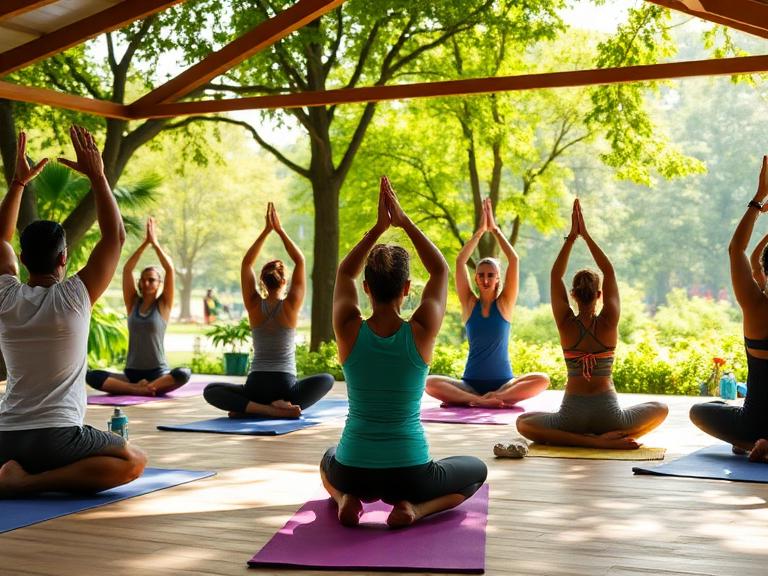
The local climate also shapes how people approach physical exercise. With high temperatures dominating most of the year, early morning and late evening hours become the ideal times for physical movement. The clean air blowing off the Bay of Bengal during sunrise provides a perfect backdrop for deep breathing exercises, prompting many residents to move away from enclosed, artificial gym environments.
Furthermore, the city’s unique cultural heritage fosters a natural appreciation for holistic health solutions. Rather than viewing wellness through a purely westernized fitness lens, residents balance physical activity with mental clarity. Yoga addresses this need perfectly by offering an accessible way to build physical strength while managing daily stress.
Types of Yoga Classes Available in Chennai
The wellness landscape in the region has evolved to provide diverse learning environments tailored to different comfort levels and personal goals.
- Outdoor Yoga: Utilizing open spaces like public parks, quiet coastal stretches, and shaded green zones allows participants to escape stagnant indoor air. These sessions maximize natural ventilation and morning sunlight, making them excellent choices for grounding and breathwork.
- Studio-Based Yoga: Traditional indoor studios provide highly controlled environments complete with specialised props such as blocks, straps, and bolsters. These locations offer fixed schedules, mirrors for self-correction, and protection from changing weather conditions.
- Online Yoga Classes: For those managing unpredictable work hours or long commutes, live virtual sessions provide real-time guidance directly at home. This format combines the privacy of personal space with the professional oversight of a certified instructor.
- Yoga for Women: Tailored specifically to support female physiological health, these programs emphasize pelvic floor strength, hormonal balance, prenatal care, and postnatal recovery in comfortable, supportive group settings.
- Beginner-Friendly Programs: Intentionally designed for individuals with limited flexibility or no prior experience, these introductory classes break down complex asanas into basic movements, ensuring a safe introduction to the practice.
What to Look for in a Good Yoga Class or Institute
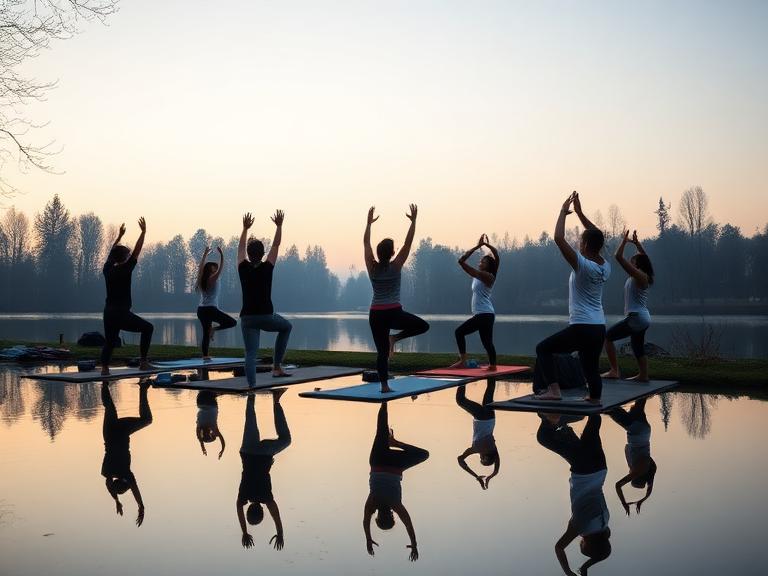
Selecting a training space involves evaluating several practical and professional criteria to ensure a safe, encouraging experience.
Instructor Experience and Credentials
A reputable class is always guided by teachers holding accredited certifications from recognized training institutions or international bodies like the Yoga Alliance. Experienced educators do not simply demonstrate advanced poses; they know how to observe a room, identify incorrect alignment, and offer clear verbal cues to prevent strain.
Class Structure and Pacing
For a novice, a chaotic or overly fast session can lead to frustration or minor injuries. Look for curricula that allocate clear segments for gentle warm-ups, systematic posture breakdowns, dedicated breathwork (pranayama), and a final phase of conscious relaxation.
Safety and Adaptability
Human bodies vary significantly in structural proportions and baseline flexibility. A high-quality instructor constantly offers modifications or alternative poses using props. The teaching philosophy should prioritize functional body alignment over achieving a visually perfect posture.
Group Size vs Personalised Sessions
Large group classes offer great community energy and affordability, but smaller groups or semi-private sessions ensure the instructor has enough time to provide individual feedback. Beginners often benefit from smaller groups where their foundational movements can be closely monitored.
Location and Accessibility
Consistency is the most vital factor in establishing a successful wellness routine. Selecting a location near your home or office reduces travel friction, making it much easier to stick to your practice schedule during busy weeks.
Who Benefits Most From Yoga Classes
Yoga is a versatile discipline that accommodates individuals across all age brackets and physical conditions due to its scalable intensity.
Working Professionals
Desk-bound workers often deal with chronic lower back discomfort, tight hip flexors, and hunched shoulders from prolonged computer use. Regular stretching and core engagement help counteract the physical toll of office environments while lowering cognitive fatigue.
Beginners and Inactive Individuals
Those transitioning away from a sedentary lifestyle often find conventional weight training or high-intensity cardio intimidating. Yoga provides a low-impact alternative that builds functional strength and joint mobility without overtaxing the cardiovascular system.
Women Navigating Life Transitions
From managing monthly cycle regularities to maintaining structural comfort during pregnancy or menopause, specialized sequences offer women a gentle way to maintain core strength and emotional balance.
Seniors and Older Adults
As the body ages, maintaining balance and bone density becomes crucial for independent living. Modified, gentle yoga routines safely lubricate joints, improve spatial awareness to prevent falls, and support overall circulatory health.
When Online or Outdoor Yoga Makes Sense
Choosing between an open-air environment and a virtual home setup depends largely on your lifestyle demands and personal preferences.
Outdoor settings are perfect for individuals who spend their working hours inside air-conditioned, windowless offices and crave a genuine connection with nature. Practicing on natural terrain challenges stabilizing muscles differently than flat studio floors, enhancing overall physical balance. For those interested in this refreshing approach, participating in open-air morning routines or joining structured outdoor yoga sessions can significantly revitalize a standard weekly fitness regimen.
Conversely, online classes are ideal for individuals managing unpredictable business travel, parenting duties, or intense traffic commutes. Virtual training eliminates travel time entirely, allowing participants to step onto their mats instantly. This format provides an accessible entry point for self-conscious beginners who prefer mastering basic body mechanics privately before stepping into a public group class.
FAQs
What should a absolute beginner wear to their first yoga class in Chennai?
Lightweight, breathable cotton clothing or moisture-wicking athletic wear is highly recommended to stay comfortable in the local humidity. Avoid overly loose garments that might interfere with your movement or block your vision during inverted postures.
Do I need to buy my own yoga mat before joining a class?
While many indoor facilities provide communal mats, owning a personal mat is highly recommended for hygiene reasons. A basic non-slip mat with a thickness of 4mm to 6mm offers adequate joint cushioning for beginners.
Can I practice yoga if my body is completely stiff?
Yes, limited flexibility is a primary reason to start practicing rather than a barrier to entry. Beginner-focused sessions are intentionally designed to gradually improve your natural range of motion over time through safe, progressive stretching.
How many times a week should a beginner practice?
Attending two to three sessions per week provides an ideal balance for beginners. This frequency allows the body enough time to recover between classes while establishing the muscle memory needed to progress safely.
Is it safe to practice yoga during the hot summer months in Chennai?
Yes, provided you practice during the cooler early morning or late evening hours and stay well-hydrated. Choosing well-ventilated outdoor areas or climate-controlled indoor spaces helps prevent heat exhaustion.
What is the difference between Hatha and Vinyasa yoga for beginners?
Hatha yoga moves at a slower pace, holding individual postures for several breaths to focus on alignment and foundational technique. Vinyasa yoga is more dynamic, linking movements directly to the breath in a continuous flow, which requires a bit more coordination.
Can yoga help with office-related back pain?
Regular practice strengthens the core muscles, elongates the spine, and opens tight hip flexors. This combination helps correct poor posture caused by prolonged sitting and reduces general muscular strain.
Should I avoid eating right before a yoga session?
It is best to avoid heavy meals for at least two to three hours before practicing. A full stomach can cause discomfort or nausea during twists and inversions. If you need energy, a small piece of fruit an hour before class is fine.
Are outdoor morning classes safe for people with dust allergies?
Individuals with sensitive respiratory systems should look for green spaces, parks, or beach zones away from heavy morning traffic. Checking the morning air quality index or opting for sheltered spaces can also minimize exposure.
Can senior citizens join standard beginner yoga programs?
Many seniors thrive in beginner programs, though dedicated gentle yoga or chair-assisted classes are often safer options. It is important to inform the instructor of any pre-existing joint issues before the session begins.
How long does a standard beginner yoga class last?
Most structured classes run for 60 to 75 minutes. This timeframe typically includes 10 minutes of warm-ups, 40 minutes of posture practice, and 15 minutes dedicated to pranayama and deep relaxation.
Do online yoga classes offer real-time posture corrections?
Yes, provided you keep your camera on and position it so the instructor can see your entire body. Teachers can then give precise verbal adjustments to help keep your alignment safe.
Is yoga purely a stretching routine, or does it build strength?
Yoga builds significant functional strength by using your own body weight as resistance. Holding various postures engages deep stabilizing muscles, improving endurance across the core, shoulders, and legs.
How can I tell if a yoga center is reputable?
Look for facilities that employ certified instructors, maintain clean spaces, prioritize student safety over advanced poses, and provide clear information about their class structures.



Leave a Comment