
Table of Contents
Yoga for Panic Attacks: Techniques & Chennai Wellness Guide 2026
The application of yoga for panic attacks focuses primarily on “grounding”—the process of reconnecting the mind to the physical body and the present environment. Unlike vigorous fitness yoga, this practice emphasizes slow, rhythmic breathing (Pranayama) and restorative postures that signal the nervous system to shift from a “fight or flight” response to a “rest and digest” state. In Chennai, options such as Outdoor Yoga Chennai offer structured outdoor and online yoga sessions for different needs, providing practitioners with accessible environments to learn these self-regulation techniques. By utilizing specific mudras and breathwork, individuals can build a toolkit to de-escalate the physical symptoms of a panic episode.
Why Yoga Is Popular in Chennai
The rise of yoga as a therapeutic intervention in Chennai is a response to the city’s unique socio-economic landscape. As a primary hub for the healthcare and IT industries, the city experiences a high density of high-stress professional environments.
The Need for Sensory Grounding
In a bustling city like Chennai, sensory overload is a common trigger for those prone to panic. The constant auditory stimuli of traffic and the visual density of urban life can overwhelm the nervous system. Yoga offers a structured way to withdraw these senses (Pratyahara), allowing the practitioner to find an internal “anchor.”
Cultural Receptivity
Chennai has a long-standing history of respecting traditional wellness systems. This cultural foundation makes residents more likely to seek out yoga as a legitimate secondary support system for mental health, alongside conventional medical advice.
Types of Yoga Classes Available in Chennai
Chennai’s yoga landscape is versatile, ensuring that individuals seeking help for acute anxiety can find a medium that feels safe for them.
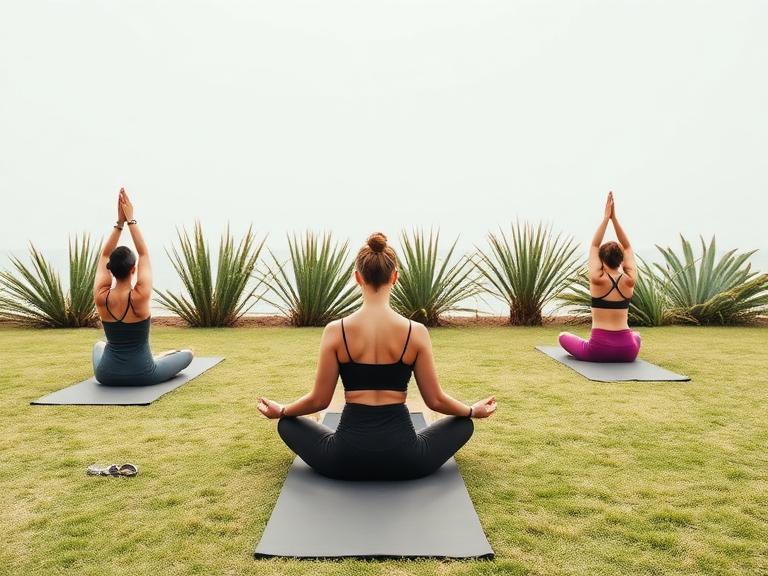
- Outdoor Yoga: Often held at dawn in quiet coastal pockets, these classes use the natural horizon and fresh air to help practitioners feel less “trapped,” a common sensation during panic episodes.
- Studio-Based Yoga: Provides a sanctuary-like environment with controlled lighting and soft acoustics, ideal for those who need a distraction-free space.
- Online Yoga Classes: Critical for those whose anxiety may prevent them from leaving the house. Virtual sessions allow for professional guidance within the safety of one’s own home.
- Restorative Yoga: A specific style that uses bolsters and blankets to support the body in passive poses for long periods, specifically designed to heal the nervous system.
- Pranayama Intensive Workshops: Classes dedicated solely to the science of breath, which is the first line of defense against a panic attack.
What to Look for in a Good Yoga Class or Institute
When the focus is yoga for panic attacks, the criteria for choosing a class shifts from physical intensity to emotional safety.
Trauma-Informed Instruction
Ensure the instructor understands that certain poses or breathing exercises (like rapid bellows breath) can actually trigger anxiety in some people. A good teacher will offer “invitational” language—asking you to “notice” or “try” rather than commanding a movement.
Small Group Sizes or One-on-One Sessions
For those dealing with acute panic, large, crowded classes can be counterproductive. Look for institutes that offer personalized sessions where the environment can be adapted to your comfort level.
Accessibility and Consistency
Managing panic requires a regular routine. Choose a center that is either close to your home in areas like Mylapore or Velachery or one that offers reliable online alternatives to ensure you never miss a session due to logistical stress.
Who Benefits Most From Yoga Classes
- Individuals with GAD (Generalized Anxiety Disorder): Who experience frequent “near-panic” sensations.
- Commuters: Chennai’s heavy traffic can be a source of claustrophobia and stress; yoga helps manage the physiological response to being “stuck.”
- High-Stakes Professionals: Lawyers, doctors, and engineers who face high-pressure decision-making.
- Students: Particularly during the competitive entrance exam seasons common in South India.
Essential Techniques: Yoga for Panic Attacks
In the context of an acute episode, “yoga” is less about a perfect headstand and more about the following three pillars:
1. Grounding Poses (Asanas)
The goal is to feel the weight of the body against the earth.
- Vajrasana (Thunderbolt Pose): Sitting on the heels with a straight back. This pose is grounding and aids digestion, which is often disrupted by anxiety.
- Adho Mukha Svanasana (Downward Facing Dog): A mild inversion that can help “reset” the brain, though it should be practiced with caution if the heart rate is already very high.
2. The Power of Pranayama (Breathwork)
The breath is the only part of the autonomic nervous system that we can consciously control.
- Sama Vritti (Equal Breathing): Inhaling for a count of four and exhaling for a count of four. This balance helps stabilize the heart rate.
- Brahmari (Bee Breath): Making a low humming sound during exhalation. The vibration has a direct calming effect on the cranial nerves.
3. Mudras (Hand Gestures)
Mudras are subtle but powerful tools that can be used discreetly, even in public spaces.
- Apana Mudra: Touching the tips of the middle and ring fingers to the thumb. This is known as the “Mudra of Digestion/Grounding” and is believed to help settle the energy of the body during a panic attack.
When Online or Outdoor Yoga Makes Sense
The environment in which you practice can either escalate or de-escalate a panic response.
Outdoor yoga is beneficial because it provides a wide-open visual field. For many, panic is associated with a feeling of being closed in. Practicing in the open air, such as through outdoor yoga sessions, allows the eyes to focus on the horizon, which naturally calms the amygdala.
Online yoga is a vital tool for those in the midst of a difficult period where leaving the house feels overwhelming. It allows for the maintenance of a wellness “tether.” Organizations like Outdoor Yoga Chennai provide these virtual windows, ensuring that even on days when the city feels like too much, the practice remains accessible.
FAQs
Can yoga actually stop a panic attack? While yoga may not “stop” an attack instantly, breathing techniques like Sama Vritti can significantly shorten the duration and intensity by lowering the heart rate.
What is the best pose to do during a panic attack? Child’s Pose (Balasana) or simply sitting on the floor with your back against a wall are best for immediate grounding.
Is it safe to do yoga if my heart is racing? If your heart is racing due to panic, stick to seated or lying down poses. Avoid “Power Yoga” or high-intensity flows until your heart rate has settled.
Where can I find calming yoga in Chennai? Look for “Hatha,” “Restorative,” or “Yin” yoga in local directories. Groups like Outdoor Yoga Chennai specialize in these calming, nature-integrated formats.
How does “Bee Breath” help with anxiety? The vibration created by the humming sound stimulates the vagus nerve, which tells your body to move out of “alert” mode.
Should I keep my eyes open or closed during yoga for panic? If you feel dizzy or disconnected, keep your eyes open and pick a single point (a Drishti) to look at. This helps maintain a sense of reality.
Can I do yoga at my office desk if I feel a panic attack coming? Yes. Simple neck rolls, seated spinal twists, and diaphragmatic breathing can be done discreetly at a desk.
Is outdoor yoga too noisy for someone with anxiety? Most outdoor classes in Chennai are held at “brahma muhurta” (pre-dawn), which is the quietest and most peaceful time of day.
Do I need to be a vegetarian to practice yoga for anxiety? No. Yoga is a physical and mental practice available to everyone, regardless of dietary choices.
How long does it take to see results? You may feel immediate relief after one session of breathwork, but long-term nervous system resilience usually takes 4–8 weeks of consistent practice.
Is yoga a substitute for anti-anxiety medication? No. Yoga is a lifestyle tool. Always consult with your healthcare provider before making changes to your medical treatment.
What should I bring to my first class? A yoga mat, a water bottle, and an open mind. If you are prone to panic, let the instructor know privately beforehand.
Can children use yoga for panic attacks? Yes, simplified breathing exercises like “balloon breath” are very effective for children experiencing school-related anxiety.
What is the “5-4-3-2-1” technique in yoga? While originally a psychological grounding tool, many yoga teachers incorporate it: acknowledge 5 things you see, 4 you can touch, 3 you hear, 2 you can smell, and 1 you can taste.
