
Table of Contents
Lift Safety Inspection in Hyderabad | Certified Elevator Safety Checks & Testing
Lift safety inspection is one of the most critical aspects of elevator ownership and building management. Every elevator, whether installed in a residential apartment, commercial office, hospital, shopping mall, or industrial facility, must undergo regular safety inspections to ensure smooth, reliable, and safe operation. Choosing professional Lift Safety Inspection in Hyderabad helps building owners identify hidden risks, prevent accidents, reduce breakdowns, and maintain compliance with safety standards.
Unlike routine maintenance, which focuses on repairing and servicing parts, safety inspection is a deeper technical evaluation of the entire elevator system. It examines mechanical integrity, electrical performance, control systems, safety devices, and emergency features to ensure the lift operates within safe limits under all conditions.
As buildings in Hyderabad continue to grow taller and elevator usage increases daily, safety inspections have become essential—not optional. A properly inspected elevator not only protects passengers but also improves performance, reduces long-term costs, and extends equipment lifespan.
This guide explains everything about lift safety inspection, including its importance, inspection process, safety standards, checklist, and benefits for different types of buildings.
What Is Lift Safety Inspection?
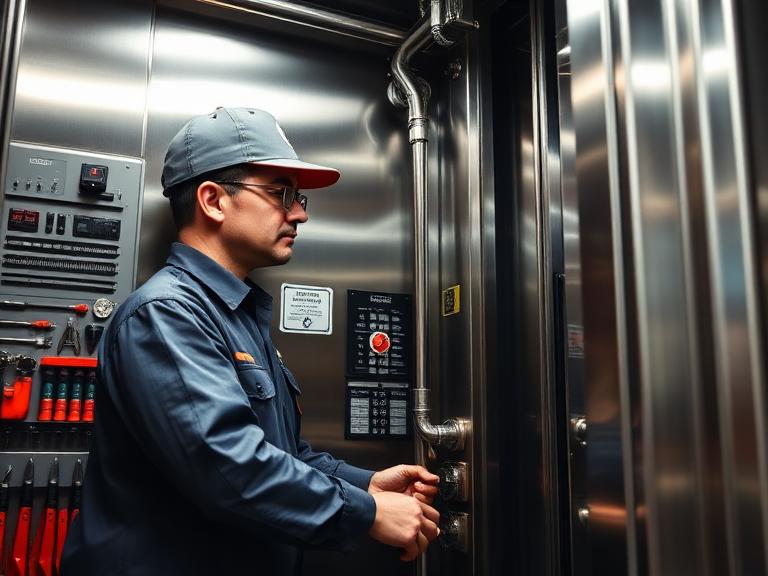
Lift safety inspection is a structured technical evaluation of an elevator system to verify that it is operating safely, efficiently, and in compliance with applicable safety standards.
It involves examining:
- Mechanical systems
- Electrical systems
- Control systems
- Safety devices
- Door operations
- Emergency systems
- Structural integrity
- Performance parameters
The goal is to detect potential risks before they lead to failures or accidents.
A safety inspection is typically performed by trained elevator technicians or certified inspectors with expertise in elevator engineering and safety compliance.
Why Lift Safety Inspection Is Important
Elevators are used hundreds or even thousands of times every day in commercial and residential buildings. This continuous usage creates wear and tear that may not always be visible during normal operation.
Safety inspections help in:
- Preventing elevator accidents
- Detecting early mechanical failures
- Reducing unexpected breakdowns
- Ensuring passenger safety
- Improving elevator performance
- Extending equipment lifespan
- Meeting regulatory requirements
- Maintaining building reputation
Without regular inspection, small issues can turn into major safety hazards over time.
Who Needs Lift Safety Inspection?
Lift safety inspections are essential for all types of buildings, including:
Residential Apartments
Apartment elevators carry residents daily, including children, elderly individuals, and visitors. Safety inspection ensures smooth and safe operation for all users.
Commercial Buildings
Offices and business complexes require frequent inspections due to high passenger traffic and continuous usage throughout the day.
Hospitals
Hospital elevators must be extremely reliable because they transport patients, medical staff, and emergency equipment. Safety inspections ensure zero operational risk.
Hotels
Hotels depend on elevators for guest experience. Regular inspections ensure smooth, silent, and safe operation.
Shopping Malls
High traffic environments require frequent safety checks to manage continuous usage and prevent breakdowns during peak hours.
Industrial Facilities
Goods lifts and freight elevators require inspection due to heavy load handling and constant operational stress.
Educational Institutions
Schools, colleges, and universities use elevators that must remain safe for students, staff, and visitors.
Lift Safety Inspection Checklist
A professional lift safety inspection includes a detailed evaluation of all critical components.
Mechanical Inspection
Technicians inspect:
- Guide rails
- Counterweight system
- Cabin structure
- Rope or belt condition
- Brake system
- Machine alignment
- Vibration levels
- Lubrication condition
Mechanical issues are often the primary cause of long-term elevator failure if not addressed early.
Door System Inspection
Door systems are one of the most frequently used and stressed components.
Inspection includes:
- Door opening/closing speed
- Door sensor functionality
- Door lock mechanism
- Track alignment
- Roller condition
- Obstruction detection system
Faulty doors are a major safety risk and must be corrected immediately.
Electrical System Inspection
Electrical systems control the entire elevator operation.
Technicians check:
- Wiring integrity
- Control panel functionality
- Circuit boards
- Power supply stability
- Emergency circuits
- Grounding system
Electrical faults can cause sudden stoppages or system failures if not detected early.
Safety Device Inspection
Safety devices are critical for preventing accidents.
These include:
- Overspeed governor
- Safety brakes
- Emergency stop system
- Door interlocks
- Load sensors
- Buffer systems
Each device is tested to ensure proper activation under emergency conditions.
Control System Inspection
Modern elevators rely heavily on digital controllers.
Inspection includes:
- Software diagnostics
- Fault code analysis
- Floor leveling accuracy
- Response time testing
- Signal communication checks
Control system performance directly affects ride quality and safety.
Emergency System Inspection
Emergency systems are tested thoroughly, including:
- Alarm systems
- Intercom communication
- Battery backup
- Automatic rescue device (ARD)
- Emergency lighting
These systems ensure passenger safety during power failures or emergencies.
Step-by-Step Lift Safety Inspection Process
A structured inspection ensures no critical component is missed.
1. Preliminary Assessment
Inspectors review elevator history, maintenance records, and past issues.
2. Visual Inspection
Technicians visually examine all mechanical and electrical components for wear, damage, or misalignment.
3. Functional Testing
The elevator is operated under different load conditions to test performance.
4. Safety Testing
Emergency systems and safety devices are tested under controlled conditions.
5. Diagnostic Analysis
Modern tools are used to check controller data and fault logs.
6. Report Generation
A detailed report is prepared, highlighting issues, risks, and recommended corrective actions.
7. Corrective Maintenance (If Required)
Identified issues are resolved through repair or component replacement.
Common Issues Found During Lift Safety Inspection
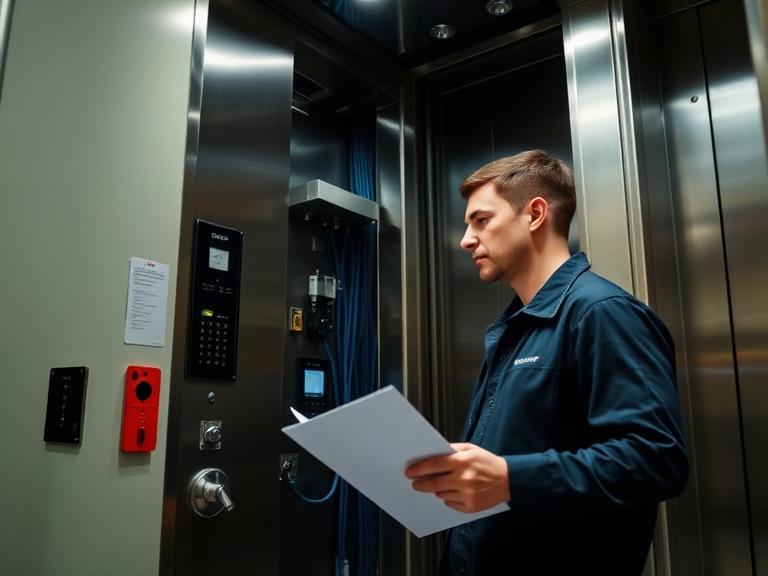
During inspections, technicians often identify:
- Worn door rollers
- Misaligned guide rails
- Electrical wiring faults
- Brake wear
- Sensor malfunction
- Overloaded systems
- Controller errors
- Poor lubrication
- Motor overheating
- Floor leveling inaccuracies
Early detection helps prevent costly repairs and safety incidents.
Benefits of Regular Lift Safety Inspection
Regular inspections provide long-term advantages:
Improved Safety
Reduces risk of passenger accidents and system failures.
Reduced Breakdowns
Early detection prevents unexpected downtime.
Lower Maintenance Costs
Fixing small issues early reduces expensive repairs later.
Better Performance
Ensures smooth acceleration, accurate leveling, and quiet operation.
Regulatory Compliance
Helps meet building safety standards and legal requirements.
Extended Elevator Lifespan
Proper inspection increases equipment durability and reliability.
How Often Should Lift Safety Inspection Be Done?
Inspection frequency depends on usage:
- Residential buildings: every 3–6 months
- Commercial buildings: every 1–3 months
- Hospitals: monthly or quarterly
- Industrial lifts: monthly inspections
High-traffic elevators require more frequent inspections.

Why Professional Lift Safety Inspection in Hyderabad Matters
Professional inspection services provide:
- Certified technicians
- Advanced diagnostic tools
- Detailed reporting
- Compliance assurance
- Preventive maintenance recommendations
- Emergency risk prevention
Expert inspection ensures elevators remain safe, reliable, and efficient throughout their lifecycle.
Conclusion
Lift safety inspection is a crucial part of responsible elevator ownership and building management. It ensures that elevators operate safely, efficiently, and in compliance with modern safety standards. Choosing professional Lift Safety Inspection in Hyderabad helps building owners reduce risks, improve performance, and maintain passenger confidence across residential, commercial, and industrial properties.
Regular inspections are not just a technical requirement—they are a long-term investment in safety, reliability, and operational efficiency.
