
Table of Contents
Large-Scale Event Planning and Execution | Hyderabad, Vizag & Vijayawada
Large-scale event planning and execution involves managing complex events that require extensive coordination, detailed logistics, multiple vendors, large attendee volumes, and structured operational oversight. These events often include corporate conferences, exhibitions, public gatherings, cultural festivals, product launches, government programs, educational summits, and large wedding celebrations. Successful execution depends on comprehensive planning, risk management, vendor coordination, audience management, and on-site supervision. In cities such as Hyderabad, Vizag, and Vijayawada, professional firms like Prashasta Events support large-scale event planning and execution by coordinating every stage of the event lifecycle, helping organizations, institutions, and families manage complexity while delivering organized and efficient event experiences.
What Is Large-Scale Event Planning and Execution?
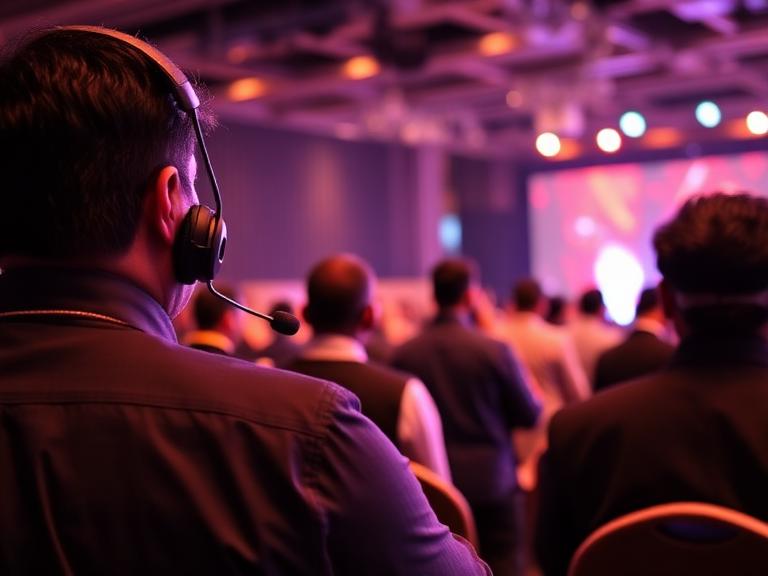
Large-scale event planning and execution refers to the professional management of events involving substantial operational requirements, large audiences, multiple stakeholders, and extensive logistical considerations.
Unlike smaller gatherings, large-scale events require specialized planning processes designed to manage complexity and reduce risk.
These events often involve:
- Hundreds or thousands of attendees
- Multiple vendors
- Technical production teams
- Security personnel
- Hospitality services
- Transportation coordination
- Venue management teams
- Public engagement activities
The objective is to ensure all operational components function together efficiently before, during, and after the event.
What Defines a Large-Scale Event?
The definition of a large-scale event varies depending on objectives, audience size, and operational complexity.
However, certain characteristics are common.
High Attendance Volume
Large-scale events often accommodate:
- Hundreds of guests
- Thousands of attendees
- Public audiences
- Corporate stakeholders
Managing attendee experiences becomes increasingly important as participation grows.
Multiple Stakeholders
These events frequently involve:
- Sponsors
- Vendors
- Venue operators
- Media representatives
- Organizing committees
- Government agencies
Coordinating multiple stakeholders requires structured communication systems.
Complex Logistics
Large events often require:
- Transportation planning
- Crowd movement strategies
- Equipment management
- Technical production support
- Security coordination
Without proper logistics planning, operational challenges can quickly arise.
Extended Planning Timelines
Large-scale events typically require months of preparation due to their complexity and scope.
Types of Large-Scale Events Commonly Managed
Corporate Conferences
Corporate conferences often involve:
- Keynote presentations
- Networking sessions
- Exhibitions
- Workshops
- Executive meetings
Professional planning helps maintain brand standards and operational efficiency.
Trade Shows and Exhibitions
Exhibitions require extensive coordination between:
- Exhibitors
- Sponsors
- Venue operators
- Visitors
- Technical teams
Successful execution depends on detailed planning and logistical control.
Product Launches
Major product launches often attract:
- Media representatives
- Customers
- Industry partners
- Influencers
Professional event execution helps create a structured and engaging experience.
Cultural Festivals
Festivals often involve large audiences and multiple performances.
Planning considerations include:
- Crowd management
- Safety measures
- Technical production
- Vendor coordination
Public and Community Events
Public programs require careful coordination to ensure safety, accessibility, and efficient operations.
Large Wedding Celebrations
Many modern weddings involve hundreds or thousands of guests.
Professional management supports logistics, hospitality, scheduling, and guest experiences.
Why Professional Planning Is Essential for Large Events
Large events create challenges that often exceed the capabilities of informal planning approaches.
Managing Complexity
As events grow in size, complexity increases exponentially.
Professional planners help coordinate:
- Timelines
- Resources
- Stakeholders
- Deliverables
This creates greater operational clarity.
Risk Reduction
Large gatherings involve numerous risks.
Potential issues include:
- Weather disruptions
- Technical failures
- Vendor delays
- Crowd management challenges
Professional event teams develop contingency plans to reduce potential impacts.
Resource Optimization
Large events require significant investments.
Professional planning helps ensure:
- Resources are allocated effectively
- Budgets remain controlled
- Operational priorities are maintained
Improved Guest Experience
Attendees expect organized and professional experiences.
Effective planning improves:
- Registration processes
- Seating arrangements
- Navigation
- Hospitality services
- Program delivery
Key Components of Large-Scale Event Planning
Strategic Event Planning
Every successful event begins with a clear strategy.
This stage includes:
- Defining objectives
- Identifying target audiences
- Establishing timelines
- Determining resource requirements
Strategic planning guides all subsequent decisions.
Budget Planning and Control
Large events often involve multiple budget categories.
Examples include:
- Venue costs
- Technical production
- Catering
- Transportation
- Security
- Marketing
Professional budget management helps maintain financial oversight.
Venue Management
Venue selection influences every aspect of the event.
Important considerations include:
- Capacity
- Accessibility
- Infrastructure
- Safety requirements
- Technical capabilities
The venue must support both operational and audience requirements.
Vendor Coordination
Most large events rely on numerous vendors.
These may include:
- Decor providers
- Audio-visual teams
- Caterers
- Entertainment providers
- Security personnel
- Transportation services
Vendor coordination ensures alignment across all service providers.
Logistics Management
Logistics form the foundation of large-scale event execution.
Responsibilities often include:
- Transportation planning
- Equipment movement
- Resource distribution
- Loading schedules
- Access management
Effective logistics reduce delays and disruptions.
Large-Scale Event Planning in Hyderabad
Hyderabad is one of India’s most important event destinations.
The city regularly hosts:
- Business conferences
- Industry exhibitions
- Technology summits
- Product launches
- Cultural programs
Corporate Ecosystem
The city’s thriving business environment generates demand for large corporate events.
Professional planning helps organizations manage increasing event complexity.
Venue Availability
Hyderabad offers a diverse range of venues including:
- Convention centers
- Hotels
- Banquet facilities
- Exhibition venues
Selecting the right venue requires careful evaluation of operational requirements.
Audience Expectations
Modern audiences expect seamless experiences, making professional execution increasingly important.
Large-Scale Event Planning in Vizag
Visakhapatnam offers unique opportunities for major events.
Popular categories include:
- Destination weddings
- Tourism-related events
- Corporate retreats
- Public celebrations
Coastal conditions and seasonal considerations often influence planning decisions.
Professional local coordination can help address these requirements effectively.
Large-Scale Event Planning in Vijayawada
Vijayawada continues to expand as a regional center for business and cultural activities.
Common event categories include:
- Conferences
- Educational programs
- Community events
- Religious gatherings
- Wedding celebrations
Strong logistics planning and vendor coordination support successful execution in this growing market.
Common Challenges in Large-Scale Event Execution
Crowd Management
Large audiences require careful planning.
Important considerations include:
- Entry and exit management
- Seating arrangements
- Emergency access
- Audience flow
Technical Coordination
Large events often depend heavily on technology.
Examples include:
- Audio systems
- Lighting equipment
- Presentation technology
- Live streaming
Professional oversight helps reduce technical risks.
Communication Management
Multiple stakeholders require consistent communication.
Professional event coordinators help maintain alignment throughout the event lifecycle.
Schedule Control
Large events involve numerous simultaneous activities.
Maintaining schedule integrity is essential for operational success.
Event Logistics: The Backbone of Large Events
Logistics management often determines whether a large event succeeds or struggles.
Key responsibilities include:
Transportation Coordination
Managing:
- Guest transportation
- Vendor access
- Equipment delivery
- Parking arrangements
Resource Allocation
Ensuring resources are available where and when needed.
Material Management
Coordinating:
- Setup materials
- Production equipment
- Event supplies
Operational Support
Providing the infrastructure required for smooth execution.
Without effective logistics management, even well-planned events can encounter significant difficulties.
How Prashasta Events Approaches Large-Scale Event Planning and Execution
Professional event execution requires structured methodologies and operational discipline.
Prashasta Events follows a process-driven approach that supports clients across Hyderabad, Vizag, and Vijayawada.
Discovery and Requirement Analysis
The process begins by understanding:
- Event objectives
- Audience expectations
- Venue requirements
- Operational needs
Planning and Coordination
Teams develop:
- Detailed timelines
- Vendor strategies
- Logistics plans
- Resource schedules
Execution Management
During the event, coordinators oversee:
- Venue operations
- Vendor performance
- Guest experiences
- Schedule implementation
Post-Event Evaluation
Following the event, teams review performance and gather insights for future improvements.
What to Look for in a Large-Scale Event Management Company
When evaluating event management providers, consider:
Experience with Similar Events
Large-scale events require specialized expertise.
Vendor Network
Reliable vendor relationships improve execution quality.
Logistics Capability
Strong logistical planning supports operational success.
Communication Standards
Transparent communication improves collaboration.
Execution Expertise
Effective execution transforms planning into results.
How Professional Event Execution Improves Outcomes
Professional event execution delivers several advantages.
Better Operational Control
Structured management improves efficiency.
Enhanced Guest Experiences
Guests benefit from smoother and more organized events.
Stronger Brand Reputation
Businesses can reinforce professionalism through well-executed events.
Reduced Stress
Professional teams manage operational responsibilities, allowing hosts to focus on objectives and relationships.
Greater Reliability
Planning, coordination, and execution work together to create more predictable outcomes.
Ultimately, large-scale event planning and execution is about transforming complex ideas into organized, engaging, and professionally managed experiences.
FAQs
What is large-scale event planning and execution?
Large-scale event planning and execution involves managing complex events with large audiences, multiple vendors, extensive logistics, and operational coordination.
Why is professional event management important for large events?
Professional management helps reduce risk, improve coordination, manage logistics, and enhance attendee experiences.
What types of events are considered large-scale?
Corporate conferences, exhibitions, festivals, public programs, product launches, and large weddings are common examples.
How early should large-scale event planning begin?
Many large events require several months of preparation depending on complexity and scale.
Do event management companies handle logistics?
Yes. Logistics planning is a core component of professional event management.
Can event managers coordinate multiple vendors?
Yes. Vendor management and coordination are key responsibilities.
Are large-scale event planners available in Hyderabad?
Yes. Professional event management companies support major events throughout Hyderabad.
Do event planners work in Vizag and Vijayawada?
Many event management companies provide services across Hyderabad, Vizag, and Vijayawada.
What should I look for in an event management company?
Look for experience, communication standards, vendor networks, logistics expertise, and execution capability.
Can event planners manage public events?
Yes. Many professional event teams coordinate public, community, and government-related events.
How do event planners improve guest experiences?
Through organized logistics, smooth scheduling, effective communication, and operational oversight.
Are large-scale events more risky than smaller events?
Generally yes, because they involve more attendees, vendors, logistics, and operational requirements.
