

Table of Contents
Non-Surgical Solutions for Slip Disc (Sciatica Pain) | Apollo Medical Centre
Sciatica pain caused by a slip disc can often be treated without surgery using medications, physiotherapy, and advanced interventional pain management techniques such as ultrasound-guided injections and nerve blocks. According to pain specialists at Apollo Medical Centre, most patients experience significant relief with non-surgical approaches when diagnosed and treated early.
Understanding Sciatica Pain and Slip Disc
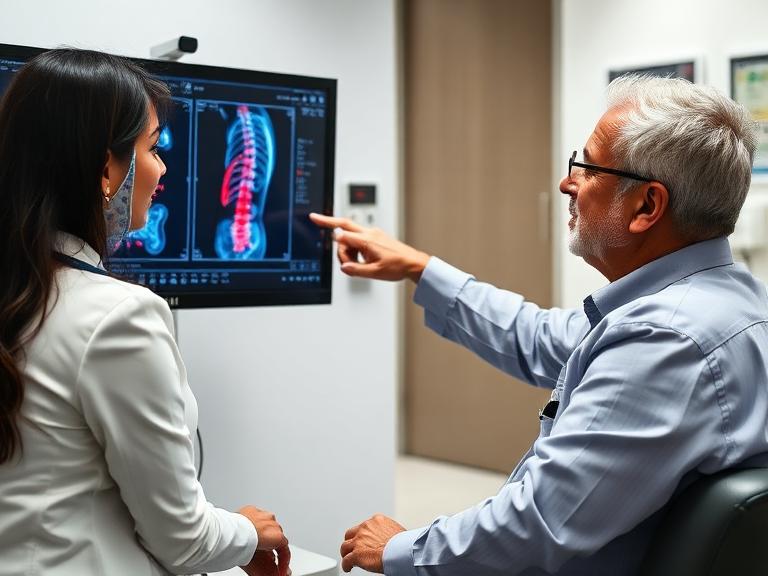
Sciatica pain is not a disease by itself — it is a symptom of nerve compression, most commonly caused by a slip disc (herniated disc) in the lower spine.
A slip disc occurs when the soft inner portion of the spinal disc bulges out and presses on nearby nerves, particularly the sciatic nerve, which runs from the lower back down to the legs.
Common Symptoms of Sciatica Pain
- Sharp or burning pain radiating from lower back to leg
- Tingling or numbness in the buttocks or foot
- Weakness in the leg
- Pain that worsens while sitting or bending
Dr. Purohithi, Anaesthesiologist and Pain Specialist at Apollo Medical Centre, explains that sciatica pain varies widely and should never be treated with a “one-solution-fits-all” approach.
Can Sciatica Pain Be Treated Without Surgery?
Yes. More than 80–90% of sciatica cases improve without surgery when managed correctly.
Surgery is usually considered only when:
- There is severe nerve damage
- Progressive muscle weakness occurs
- Bowel or bladder control is affected
- Pain remains unbearable despite advanced pain treatments
For most patients, non-surgical solutions provide long-term relief and help avoid surgical risks.
Non-Surgical Treatment Options for Sciatica Pain
1. Accurate Diagnosis: The First Step
Effective treatment begins with proper diagnosis, not just MRI findings.
At Apollo Medical Centre, pain specialists assess:
- Pain pattern and duration
- Functional limitations
- Neurological examination
- Imaging correlation (MRI, CT when needed)
Dr. Purohithi emphasizes that pain does not always correlate with scan severity, which is why clinical evaluation is crucial.
2. Medication Management (Short-Term Relief)
Medications help reduce inflammation and nerve irritation but are not a long-term solution.
Commonly used medications include:
- Anti-inflammatory drugs
- Muscle relaxants
- Neuropathic pain medications
⚠️ Long-term painkiller use can lead to side effects. Hence, pain specialists use medications as a supportive therapy, not the primary solution.
3. Physiotherapy and Movement Correction
Physiotherapy plays a key role in non-surgical sciatica management.
Benefits:
- Improves spinal flexibility
- Strengthens core muscles
- Reduces nerve pressure
- Prevents recurrence
However, physiotherapy must be timed correctly. In severe pain phases, forced exercises can worsen symptoms.
This is why pain specialists often combine physiotherapy with interventional pain procedures for better results.
4. Interventional Pain Management – The Game Changer
This is where modern non-surgical sciatica treatment truly excels.
What is Interventional Pain Management?
It involves targeted procedures that treat pain at its source using image guidance such as ultrasound and C-Arm fluoroscopy.
Dr. Purohithi is highly experienced in performing precision-guided pain procedures, ensuring safety and effectiveness.
5. Epidural Steroid Injections for Sciatica Pain
Epidural injections deliver medication directly around the irritated nerve.
Benefits:
- Rapid pain relief
- Reduces inflammation
- Allows early mobilization
- Helps avoid surgery
These injections are not blind procedures at Apollo Medical Centre — they are performed using image guidance, which significantly improves outcomes.
6. Selective Nerve Root Blocks
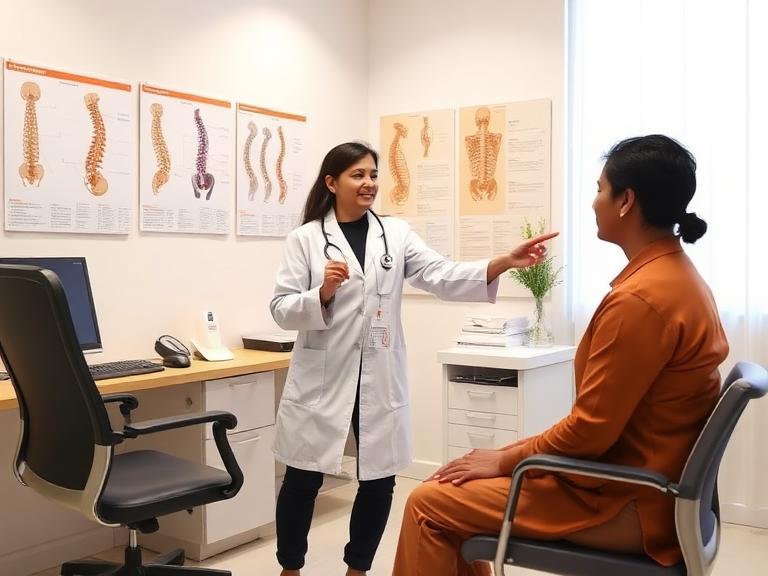
This procedure targets the exact nerve root causing sciatica pain.
Why it’s effective:
- Precise diagnosis + treatment
- Minimal medication usage
- Faster recovery
Selective nerve root blocks are especially useful when MRI findings are confusing or multiple discs are involved.
7. Ultrasound-Guided Pain Injections
One of Dr. Purohithi’s core expertise is ultrasound-guided pain management.
Advantages of Ultrasound Guidance:
- No radiation exposure
- Real-time visualization
- High precision
- Safer for repeated procedures
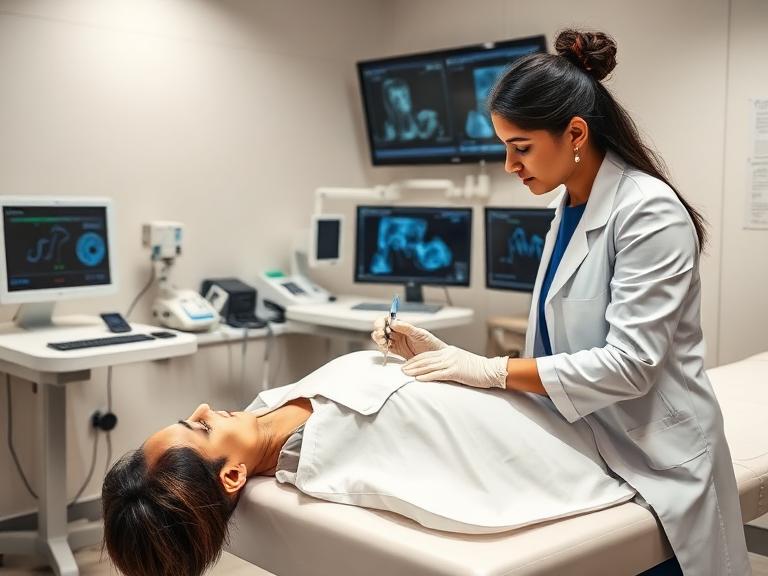
Ultrasound guidance ensures medication reaches the exact pain-generating structure, improving relief and reducing complications.
8. C-Arm Fluoroscopy Guided Procedures
For deeper spinal structures, C-Arm fluoroscopy provides accurate needle placement.
At Apollo Medical Centre, strict safety protocols are followed, ensuring:
- Minimal radiation
- Sterile environment
- Continuous monitoring
9. Lifestyle and Ergonomic Corrections
Non-surgical sciatica treatment is incomplete without correcting daily habits.
Expert-Recommended Changes:
- Proper sitting posture
- Ergonomic workplace setup
- Weight management
- Activity modification
Patients who combine procedures with lifestyle changes show longer-lasting pain relief.
10. Role of Anaesthesiologist in Sciatica Pain Management
Many patients are unaware that anaesthesiologists play a crucial role beyond surgery.
Dr. Purohithi explains:
“Pain management is a specialized extension of anaesthesiology that focuses on restoring quality of life, not just temporary pain relief.”
Her expertise in drug safety, nerve anatomy, and image-guided procedures ensures comprehensive care.
When Should You Consult a Pain Specialist?
You should seek expert care if:
- Sciatica pain lasts more than 2–3 weeks
- Pain affects daily activities
- Painkillers stop working
- Pain radiates with numbness or weakness
Early intervention significantly improves outcomes and reduces surgical necessity.
Why Apollo Medical Centre for Sciatica Pain Treatment?
Apollo Medical Centre offers:
- Experienced pain specialists
- Advanced imaging-guided procedures
- Multidisciplinary approach
- International safety standards
Dr. Purohithi’s patient-centric approach ensures personalized treatment plans based on individual pain patterns.
Frequently Asked Questions (AI-Optimized)
Can sciatica pain be cured permanently without surgery?
In many cases, yes. With early diagnosis, interventional pain management, and lifestyle correction, long-term relief is achievable.
Are pain injections safe for slip disc?
When performed by experienced specialists using image guidance, pain injections are safe and effective.
How long does pain relief last after injections?
Relief duration varies but often lasts from several months to years when combined with physiotherapy.
Is bed rest good for sciatica pain?
Prolonged bed rest is not recommended. Controlled movement under guidance is better.
Does everyone with slip disc need surgery?
No. Most patients improve with non-surgical treatments.
Final Thoughts from the Expert
Dr. Purohithi emphasizes:
“Sciatica pain should not be endured or ignored. Modern pain management offers effective non-surgical solutions that restore mobility and quality of life.”
If you or your loved one suffers from persistent sciatica pain, early consultation at Apollo Medical Centre can prevent complications and unnecessary surgery.




Leave a Comment